

From early industrial projects to today’s complex infrastructure programmes, high-risk environments have consistently demanded resilience, skill and physical endurance from the workforce.
What’s changed dramatically over time is the way we protect those workers.
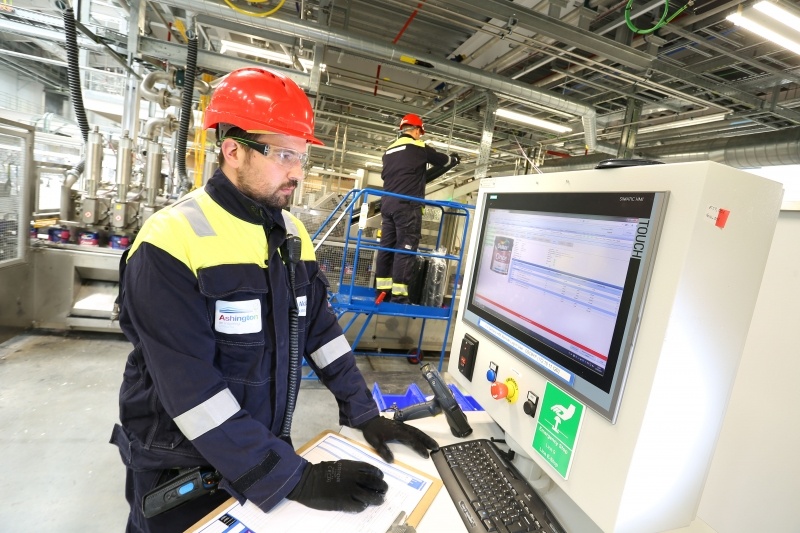
These types of uniforms have evolved from simple, durable clothing designed for practicality into highly engineered safety systems built to manage multiple hazards at once. The modern combination of high-visibility garments and specialist PPE reflects decades of learning, regulation and technological advancement.
Understanding this evolution highlights why compliant, well-maintained workwear is now a critical operational control in safety-critical environments.
Key takeaways
- From Apparel to Engineering: Workwear has transitioned from basic, durable clothing (like cotton and wool) to "highly engineered safety systems" designed to mitigate complex, technical risks.
- Scientific Visibility: High-visibility clothing is no longer just "bright" clothing; it is now precision-engineered with regulated levels of fluorescent material and reflective tape to meet strict safety standards (like EN ISO 20471).
- Multi-Hazard Integration: Modern garments are designed to protect against multiple simultaneous threats, such as arc flashes, chemical splashes, and flames, within a single "Multi-Protect" fabric blend.
- Managed Safety Ecosystems: There is a shift away from individual responsibility toward managed rental and laundering models. This ensures that garments are professionally maintained and replaced before their protective properties degrade.
Early construction wear: Practicality over protection
In the late nineteenth and early twentieth centuries, workers simply wore what was available and durable. Heavy cotton shirts, wool trousers and leather boots were common. These garments were selected for warmth and hard-wearing qualities rather than protective performance.
Industrialisation brought larger projects, taller structures and heavier materials. With this growth came rising injury rates. As accident data became more visible and trade unions pushed for improved conditions, the need for formal protective equipment began to gain recognition.
The rise of high-visibility clothing
High-visibility clothing also addressed another growing hazard: moving vehicles and equipment.
As high-risk working environments became busier and more mechanised, visibility became critical. Workers operating near cranes, forklifts and heavy goods vehicles needed to be seen clearly in all conditions.
High-visibility garments began to appear more widely in the latter half of the twentieth century. Fluorescent fabrics combined with retroreflective tape significantly increased wearer visibility in daylight, dusk and artificial light.
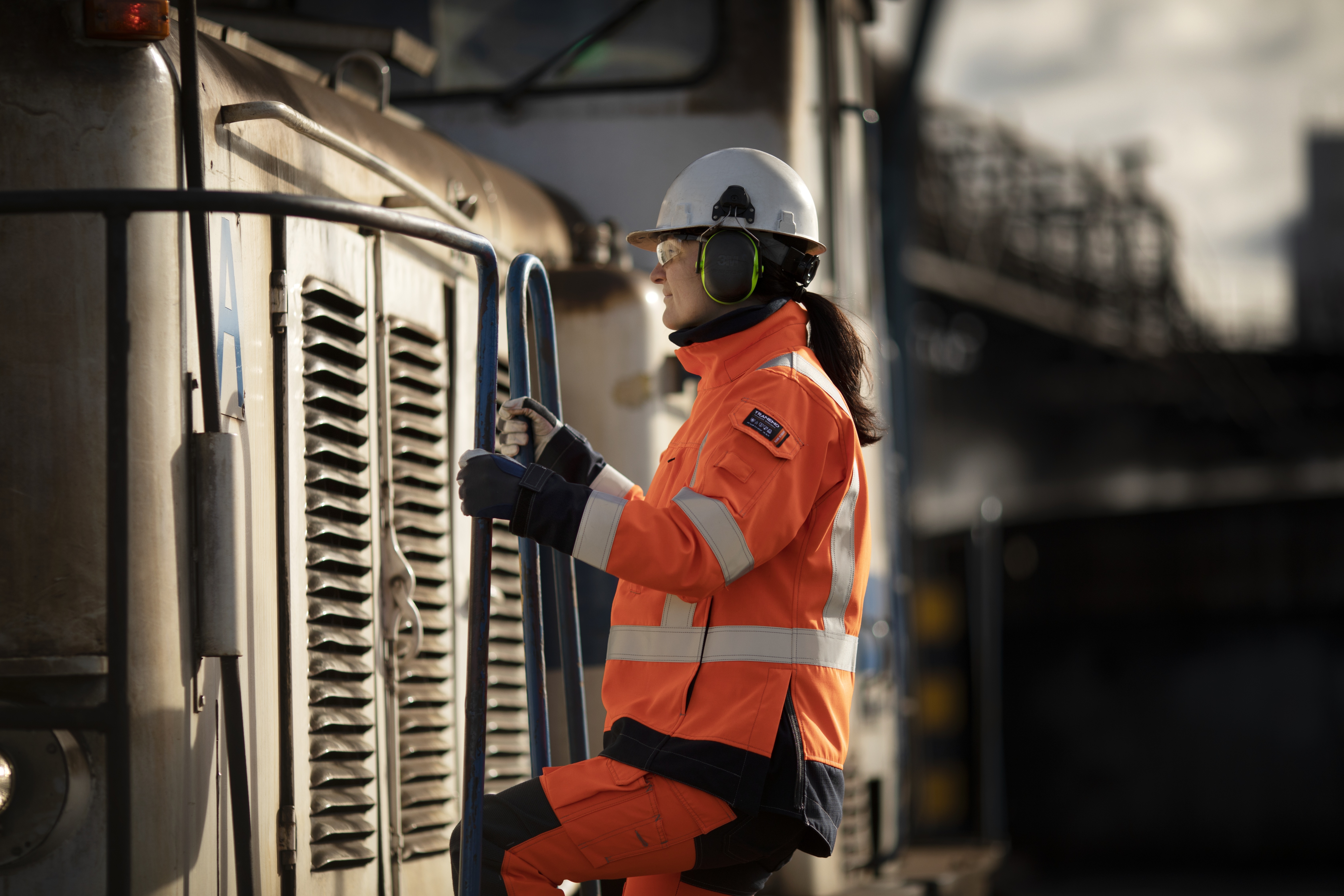
Today, garments certified to EN ISO 20471 are standard across UK construction projects, for example. On rail sites, RIS-3279-TOM-compliant orange hi-vis is mandatory in many areas.
Hi-vis is more than symbolic. It’s tested, regulated and performance-driven. The amount of fluorescent background material, the placement of reflective tape and the overall surface area are all defined within standards.
Modern hi-vis is therefore engineered, not improvised.
From single-hazard to multi-hazard protection
As industrial techniques advanced, so too did the complexity of risks on site.
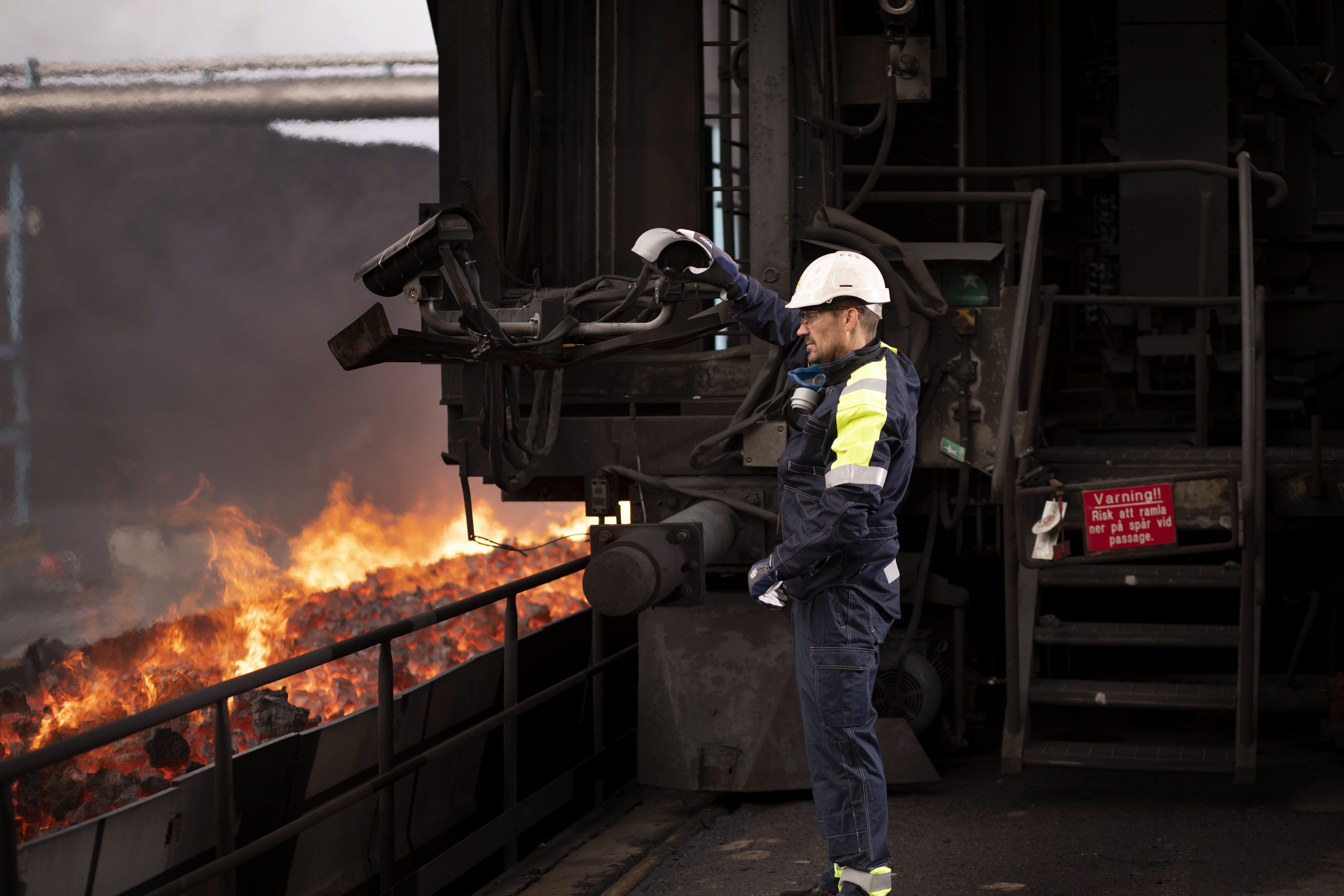
Workers may now face exposure to:
- Heat and flame.
- Arc flash.
- Welding sparks.
- Chemical splash.
- Electrostatic discharge.
- Heavy abrasion.
This shift has driven the development of multi-protect garments that combine visibility with additional certified protections.
Standards such as EN ISO 11612 for heat and flame, EN ISO 11611 for welding and IEC 61482 for arc flash protection are increasingly relevant on modern infrastructure projects. Rather than layering incompatible garments, manufacturers now design integrated solutions that meet multiple standards simultaneously.
The result is a uniform that functions as a coordinated protective system.
However, this added complexity also increases the importance of correct specification and maintenance. A garment that loses its flame-retardant performance or reflective integrity is no longer compliant, regardless of how new it appears.
Comfort, fit and inclusivity
Another major stage in the evolution of workwear for high-risk environments has been the focus on comfort and inclusivity.
Historically, workwear was designed to a limited size range and often for a single body type. Ill-fitting garments were common, which not only reduced comfort but introduced additional safety risks such as snagging or restricted movement.
Modern PPE programmes now recognise that correct fit is fundamental to compliance. Garments must allow full range of motion while maintaining protective coverage. Inclusive sizing and tailored designs for a more diverse workforce are increasingly expected.
Comfort also plays a direct role in safety culture. Workers who feel comfortable in their PPE are more likely to wear it correctly and consistently.
The impact of regulation and accountability
Perhaps the most significant driver of evolution has been regulation.
The Health and Safety at Work framework and subsequent PPE regulations have formalised employer responsibilities. Risk assessments must identify hazards and appropriate protective measures must be implemented.
This means organisations must be able to evidence:
- Correct garment specification.
- Adherence to relevant standards.
- Ongoing maintenance.
- Replacement of damaged or degraded items.
The shift from reactive safety to proactive risk management has transformed construction uniforms from consumables into controlled safety assets.
The role of laundering in modern compliance
As garments have become more technically advanced, the importance of correct laundering has grown.
High-visibility fabrics can fade. Reflective tape can crack or peel. Flame-retardant finishes can be damaged by incorrect detergents or excessive heat. Anti-static properties can be compromised by unsuitable washing processes.
In-house or domestic laundering introduces inconsistency and compliance risk, particularly across multi-site operations.
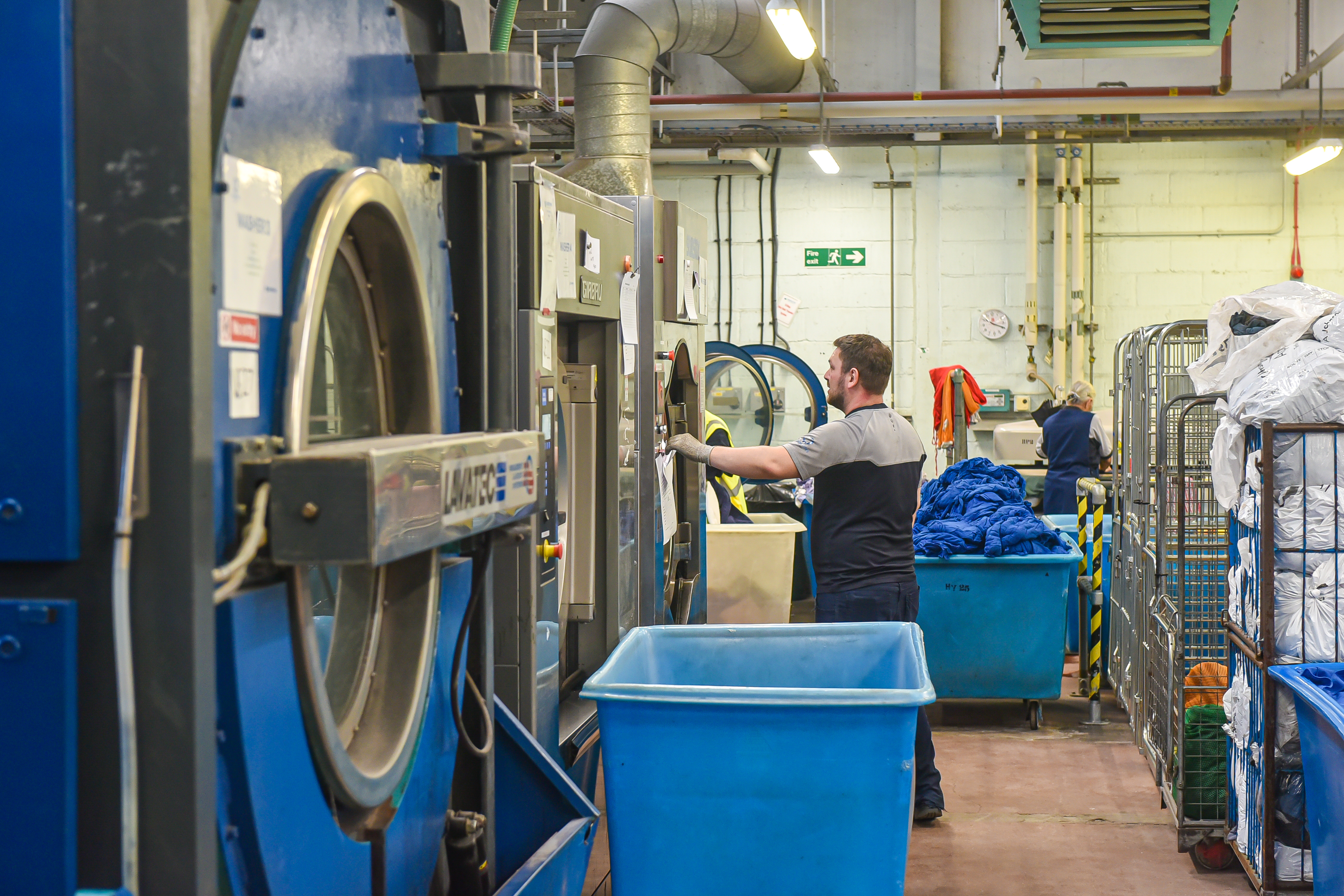
Professional industrial laundering is calibrated to preserve the integrity of technical fabrics while ensuring hygiene standards are met. Structured inspection during each wash cycle also identifies garments that no longer meet performance thresholds.
This lifecycle approach ensures PPE remains compliant from issue through to replacement.
Uniforms today: Engineered for high-risk performance
Modern workwear is the result of decades of learning and refinement. It is lighter, more durable and more protective than ever before.
Key features now include:
- Engineered high-visibility panels.
- Multi-hazard fabric blends.
- Reinforced stitching for durability.
- Moisture management for comfort.
- Integrated identification and tracking.
Importantly, uniforms are now part of a broader managed safety ecosystem.
Johnsons Workwear supports high-risk industries with fully managed rental and laundering models. These services ensure garments are specified correctly, professionally maintained and replaced before performance declines below compliance standards.
This marks the latest stage in the evolution of workwear — from individual responsibility to managed operational control.
Looking ahead: the future of high-risk workwear
Innovation continues. Sustainable fabrics, improved durability and smarter tracking technologies are shaping the next generation of PPE and workwear.
What remains constant is the principle that protective clothing must perform when it matters most.
The journey from basic work clothes to certified multi-hazard systems demonstrates a clear trajectory. Uniforms have evolved from practical attire into engineered safeguards designed to reduce injury, improve visibility and support operational continuity.
In high-risk environments, that evolution should never stall. Compliance must be actively maintained, monitored and managed.
Take control of workwear in high-risk environments
Our new eBook on high-risk workwear solutions explores how a fully managed rental and laundering model protects people, simplifies compliance and strengthens operational efficiency across high-risk industries.
Download your free copy today and discover how to move from reactive workwear management to proactive safety control.


.png)

.png)
.jpeg)