

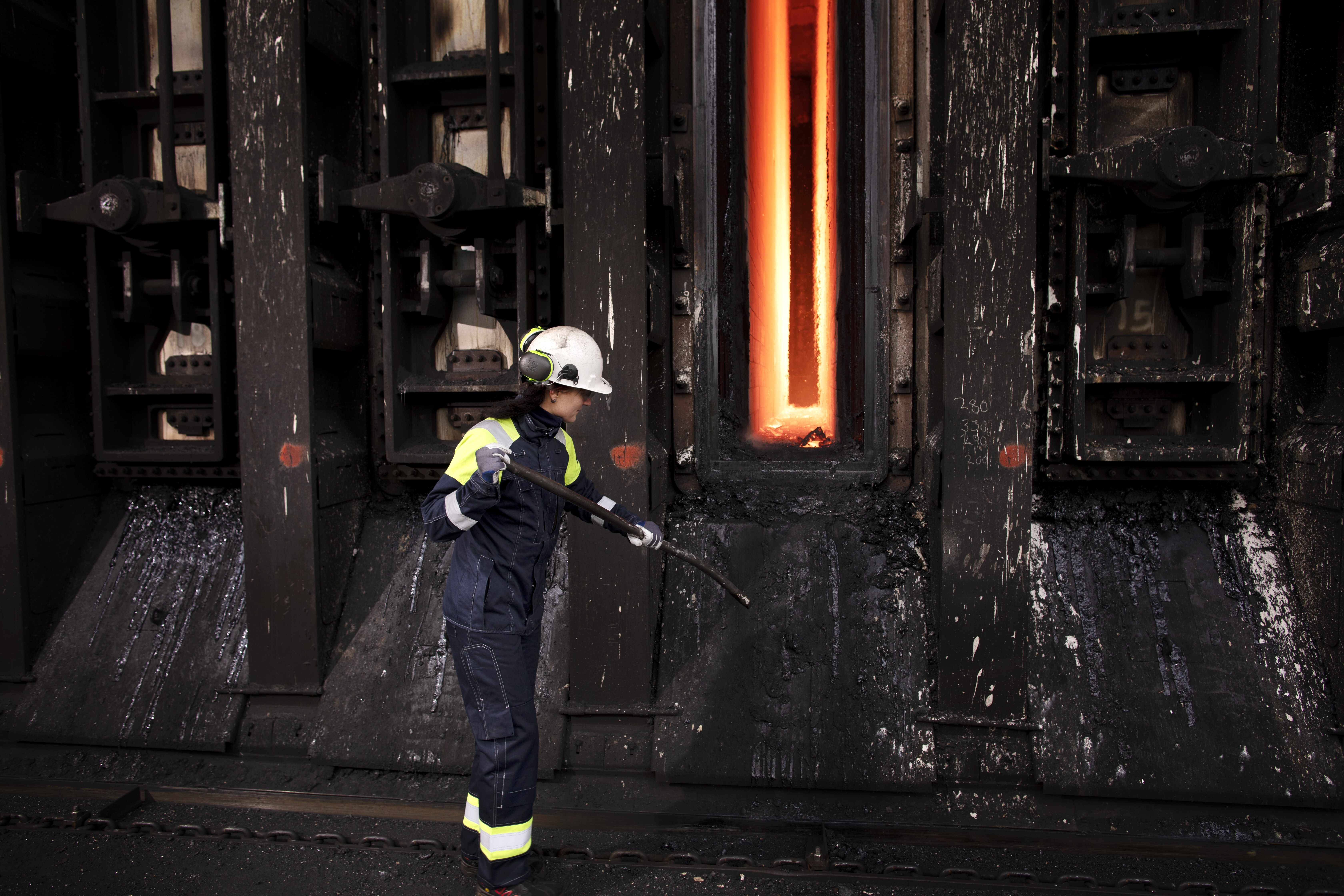
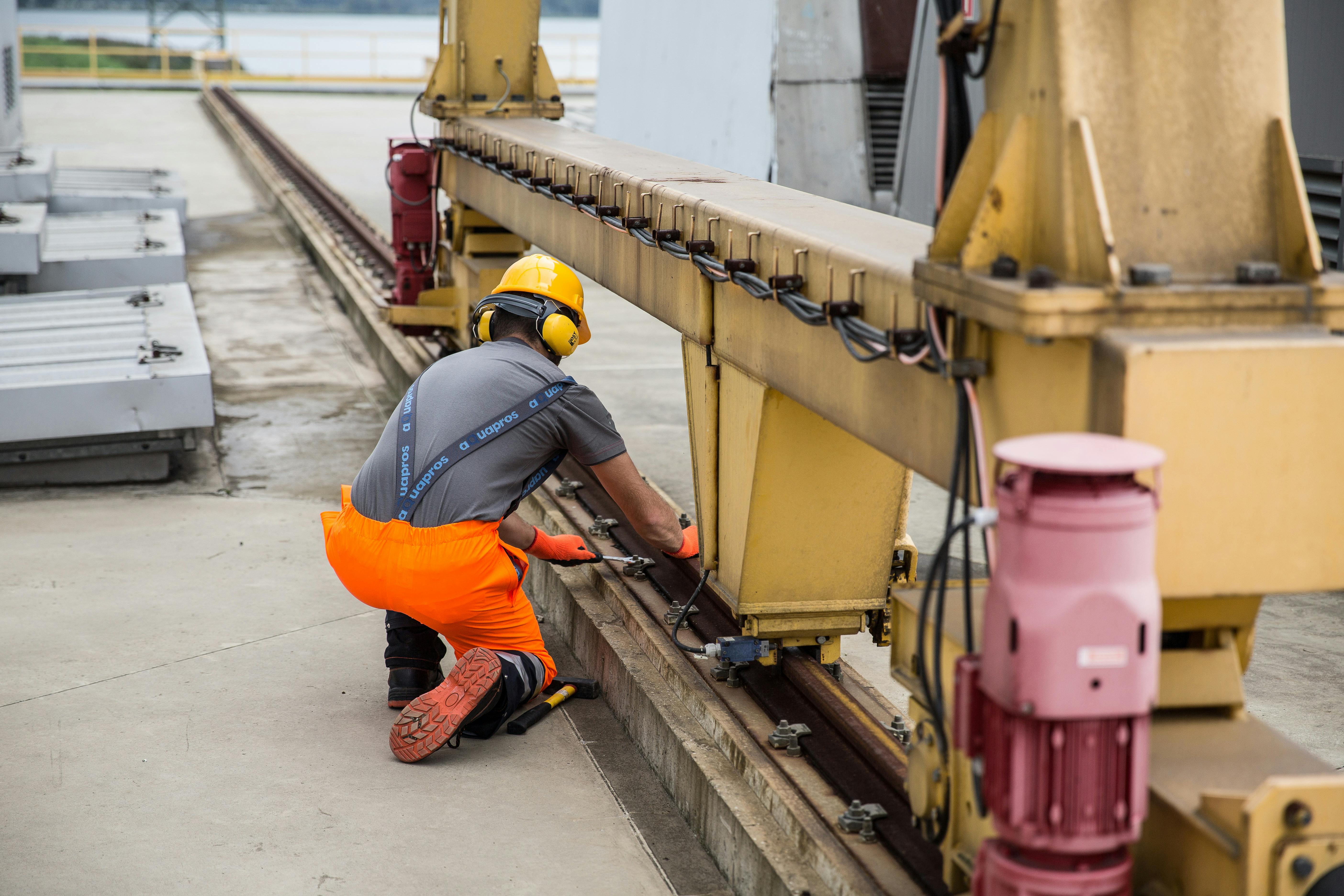
Heavy engineering environments place enormous demands on workwear. Whether it’s fabrication, marine engineering, defence manufacturing or large-scale industrial maintenance, garments are expected to withstand heat, abrasion, industrial laundering and long shifts without compromising on comfort or protection.
And yet, despite the critical role workwear plays in safety and operational performance, procurement decisions are still too often driven by short-term cost rather than long-term value.
That creates problems quickly.
Because in heavy engineering, workwear is not just about appearance or basic PPE compliance. It directly affects workforce safety, operational consistency and the lifespan of the garments themselves. When the wrong decisions are made, the consequences show up everywhere — from rising replacement costs and failed audits to reduced comfort and inconsistent standards across teams.
The businesses getting this right are taking a different approach. They are treating workwear as part of operational performance, not simply a purchasing exercise.
Key takeaways
- Engineering workwear needs to do more than meet basic compliance standards. In environments involving fabrication, welding, manufacturing and industrial maintenance, garments must withstand heat, abrasion, industrial laundering and long-term wear without compromising protection or comfort.
- PPE requirements in engineering environments vary depending on operational risks, but commonly include flame-resistant clothing, arc flash protection, anti-static garments, protective footwear and task-specific hand and respiratory protection. Guidance from the Health and Safety Executive makes clear that PPE must remain suitable, properly maintained and fit for purpose throughout its lifecycle.
- One of the most common procurement mistakes is focusing too heavily on upfront garment cost. Lower-quality workwear often leads to more frequent replacements, inconsistent presentation across teams and higher long-term operational costs.
- Durability and lifecycle performance are critical in engineering environments. Garments must retain their protective qualities and structural integrity through repeated industrial laundering and daily operational use.
- Many engineering businesses are moving toward managed rental services to improve consistency, reduce internal admin and ensure garments remain compliant over time. Rental models also support better garment maintenance, repair and replacement management.
- Sustainability is becoming a more important factor in engineering workwear procurement, with businesses increasingly prioritising garment longevity, waste reduction and more resource-efficient laundering processes.
What PPE is typically required in heavy engineering environments?
The exact PPE requirements will always depend on the risks associated with the role, environment and processes involved. A fabrication workshop faces different hazards to a marine engineering facility or rail maintenance operation.
However, across most heavy engineering environments, there are some common requirements shaped by UK legislation and industry standards.
Employers have a legal responsibility under the Personal Protective Equipment at Work Regulations 1992 to provide suitable PPE wherever risks cannot be adequately controlled by other means. Guidance from the Health and Safety Executive also makes clear that PPE must be appropriate to both the hazard and the working environment.
In heavy engineering settings, that often includes:
- Flame-resistant garments for welding and hot works.
- Arc flash protection in electrical engineering environments.
- Anti-static protection where explosive atmospheres may exist.
- Protective footwear with slip, puncture and impact resistance.
- Cut-resistant gloves for fabrication and handling work.
- Respiratory protection in environments involving fumes or particulates.
Unlike general construction environments, visibility is not always the primary concern. Instead, the focus is often on multi-risk protection, garment durability and ensuring clothing can maintain protective qualities through repeated industrial laundering cycles.
This is where the specification of garments becomes critically important.
Why engineering businesses often underestimate workwear performance
One of the biggest misconceptions in industrial workwear procurement is that compliant automatically means suitable.
A garment may technically meet the required standard on paper, but that does not necessarily mean it performs effectively in real operational conditions.
Heavy engineering environments place continuous strain on workwear. Exposure to sparks, oils, friction, heat and industrial cleaning processes can rapidly degrade poor-quality garments. Over time, protective qualities reduce, stitching weakens and garments become uncomfortable or impractical to wear.
That has a direct operational impact.
When clothing becomes restrictive, overheated or poorly fitting, workers notice immediately. Productivity drops, morale suffers and PPE compliance becomes harder to enforce consistently across teams.
The hidden costs begin to accumulate:
- More frequent garment replacement.
- Increased stock management issues.
- Operational inconsistency across sites.
- Greater risk of non-compliance.
- More reactive purchasing decisions.
And because these costs are spread across operations over time, many businesses fail to connect them back to the original procurement decision.
The balance between durability and cost
Cost pressure is a reality across every engineering sector. Procurement teams are under constant pressure to reduce spend while maintaining standards.
But focusing purely on upfront garment pricing is rarely the most effective strategy.
The real value of engineering workwear comes from lifecycle performance. How long does the garment maintain its integrity? How well does it withstand industrial laundering? Does it retain comfort and flexibility after repeated use? Does it continue meeting protective standards over time?
These questions matter far more than the initial purchase price.
In many cases, lower-cost garments create significantly higher operational costs because they need replacing more frequently. Worse still, inconsistent replacement cycles can lead to mixed garments across teams, varying levels of protection and reduced professional presentation.
By contrast, higher-performance garments typically deliver:
- Longer usable lifespan.
- More consistent protection.
- Better wearer comfort.
- Improved workforce presentation.
- Reduced replacement frequency.
This is particularly important for organisations operating across multiple engineering facilities or managing large technical workforces. Standardisation becomes far easier when garments are built to perform consistently over time.
The procurement mistakes engineering businesses still make
Most workwear problems are not caused by a lack of investment. They are caused by fragmented decision-making.
One of the most common issues is treating workwear as a purchasing function rather than an operational one. Procurement teams naturally focus on unit price, but engineering managers are often more concerned with durability, compliance and workforce practicality.
Without alignment between those priorities, short-term purchasing decisions can create long-term operational inefficiencies.
Another common mistake is underestimating the importance of garment maintenance.
Protective clothing is not static. Its performance changes over time depending on how it is cleaned, repaired and maintained. In environments involving flame-resistant or multi-norm garments, improper laundering can directly affect protective performance.
This is especially relevant in heavy engineering sectors where garments are subjected to harsher wear conditions and more intensive cleaning processes.
There is also a tendency to overlook workforce experience entirely.
Engineers, fabricators and maintenance teams spend long shifts wearing these garments. If clothing restricts movement, traps heat or becomes uncomfortable after repeated washing, adoption suffers quickly. The best-performing workwear is not simply protective — it is wearable over long operational periods.
Why more engineering businesses are moving toward rental models
For many engineering organisations, managing workwear internally becomes increasingly difficult as operations scale.
Garments need to be issued, tracked, cleaned, repaired and replaced consistently across multiple departments or facilities. Compliance standards must be maintained, while procurement teams still need visibility over costs and stock levels.
This is where managed rental models are becoming far more attractive.
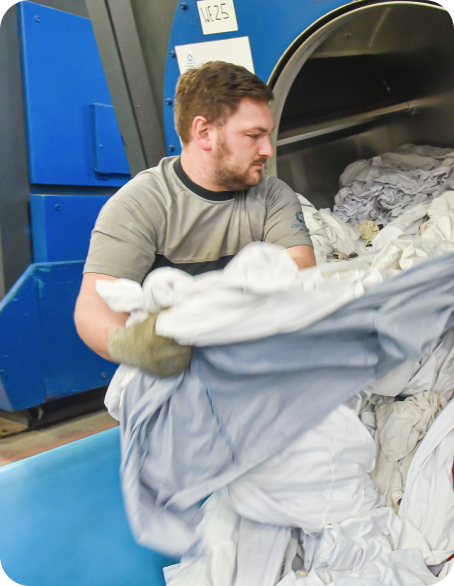
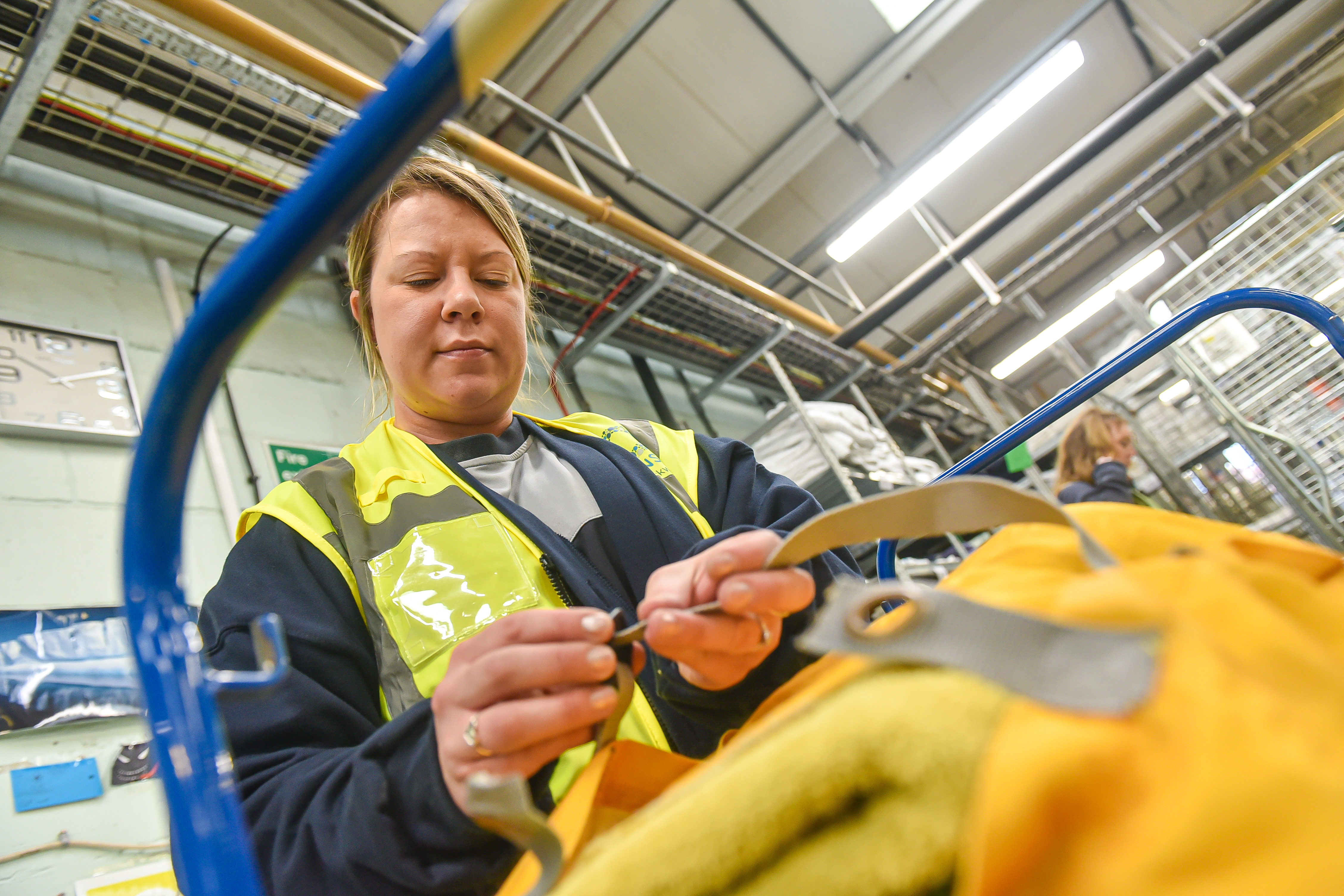
Rather than purchasing garments outright and managing the full lifecycle internally, rental services provide an ongoing managed solution that includes laundering, maintenance, repairs and replacement.
Operationally, this creates several advantages.
Firstly, garments are professionally maintained to ensure protective qualities are retained over time. This is particularly important for flame-resistant and multi-risk garments used in welding, fabrication and industrial engineering environments.
Secondly, it introduces far greater consistency across the workforce. Garments remain standardised, properly maintained and professionally presented.
Thirdly, it removes a significant administrative burden from internal teams. Instead of managing garment lifecycles manually, businesses gain a structured, predictable service model.
For organisations operating in sectors such as defence, manufacturing, marine engineering and industrial maintenance, that operational control becomes increasingly valuable.
Sustainability is becoming part of the conversation too
Sustainability is now influencing engineering procurement decisions far more than it did even a few years ago.
Large organisations continue placing greater emphasis on environmental performance throughout their supply chains.
That pressure is gradually filtering through the wider engineering sector.
As a result, workwear procurement is no longer judged solely on protection and price. Businesses are increasingly looking at:
- Garment longevity
- Textile waste reduction
- Repair and reuse models
- Resource-efficient laundering
- Supplier sustainability credentials
Managed rental services can support these goals by extending garment lifespan and reducing unnecessary waste through structured maintenance and repair programmes.
For many engineering businesses, sustainability is no longer a secondary consideration. It is becoming part of operational resilience and procurement strategy.
The businesses getting this right think differently
The engineering organisations managing workwear most effectively are rarely the ones buying the cheapest garments.
They are the ones looking at the bigger operational picture.
They understand that protective clothing affects:
- Workforce safety
- Employee comfort
- Compliance consistency
- Brand and workforce presentation
- Procurement efficiency
- Long-term operational costs
Most importantly, they recognise that engineering workwear is not a static purchase. It is an ongoing operational system that needs to perform reliably under pressure.
That mindset shift is where the real difference is being made.
Final thoughts
Heavy engineering environments demand more from workwear than many businesses realise.
Protection matters, but so do durability, consistency, comfort and lifecycle performance. When garments fail in any of those areas, the operational impact quickly becomes visible.
The challenge for engineering businesses is not simply finding compliant PPE. It is finding workwear solutions capable of performing consistently in demanding industrial environments while supporting operational efficiency over the long term.
That requires a more strategic approach than simply comparing garment prices.
And increasingly, that is exactly where the industry is heading.
If you want to explore how these requirements translate across the wider engineering sector and how workwear strategies change depending on the environment, you can learn more on our engineering sector workwear page.





.png)