

Key takeaways
- Engineering PPE needs to balance protection, comfort and practicality. In environments involving electrical systems, fabrication, welding and industrial maintenance, restrictive or poorly designed garments can negatively affect both safety and productivity.
- Employers have a legal responsibility under the Personal Protective Equipment at Work Regulations 1992 to provide suitable PPE and ensure it remains fit for purpose throughout its lifecycle. Guidance from the Health and Safety Executive also stresses the importance of proper maintenance and risk-based protection.
- Standard workwear is often insufficient for engineering environments involving arc flash risk, heat exposure or multi-risk hazards. Specialist protective garments are required to deliver the correct level of protection.
- Modern engineering workwear is increasingly designed to improve mobility, breathability and wearer comfort while maintaining compliance with relevant safety standards.
- The most effective PPE strategies focus not only on compliance, but also on long-term garment performance, workforce adoption and operational efficiency.
In engineering environments, PPE is often discussed purely in terms of compliance. Businesses focus on standards, certifications and whether garments technically meet the required level of protection. Those considerations are obviously critical, particularly in sectors where electrical hazards, heat exposure and industrial risks are part of everyday operations.
But in practice, the conversation is far more complicated than that.
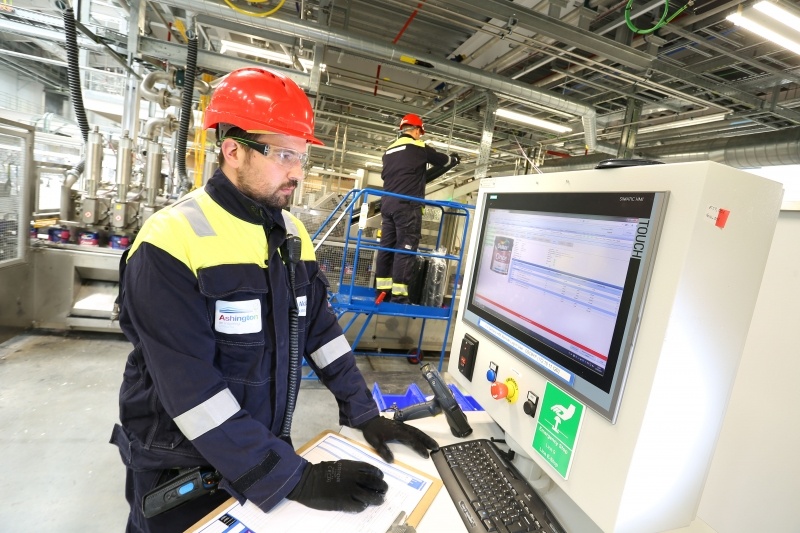
Engineering teams don't work in controlled conditions. They work long shifts in environments where mobility matters, comfort affects concentration and poorly designed clothing can quickly become a frustration. When protective garments are too heavy, restrictive or impractical, the impact is felt operationally long before it appears on a compliance report.
That tension between safety and productivity has existed for years. Many businesses still assume that higher protection inevitably means bulkier, less comfortable workwear, and that reduced flexibility is simply part of operating safely in demanding environments.
The industry is gradually moving away from that mindset. Modern engineering PPE is increasingly being designed to support the way people actually work, not just the minimum level of protection required on paper.
Why engineering environments demand more from PPE
Not all engineering environments pose the same risks, but many involve hazards that go far beyond the capabilities of standard workwear.
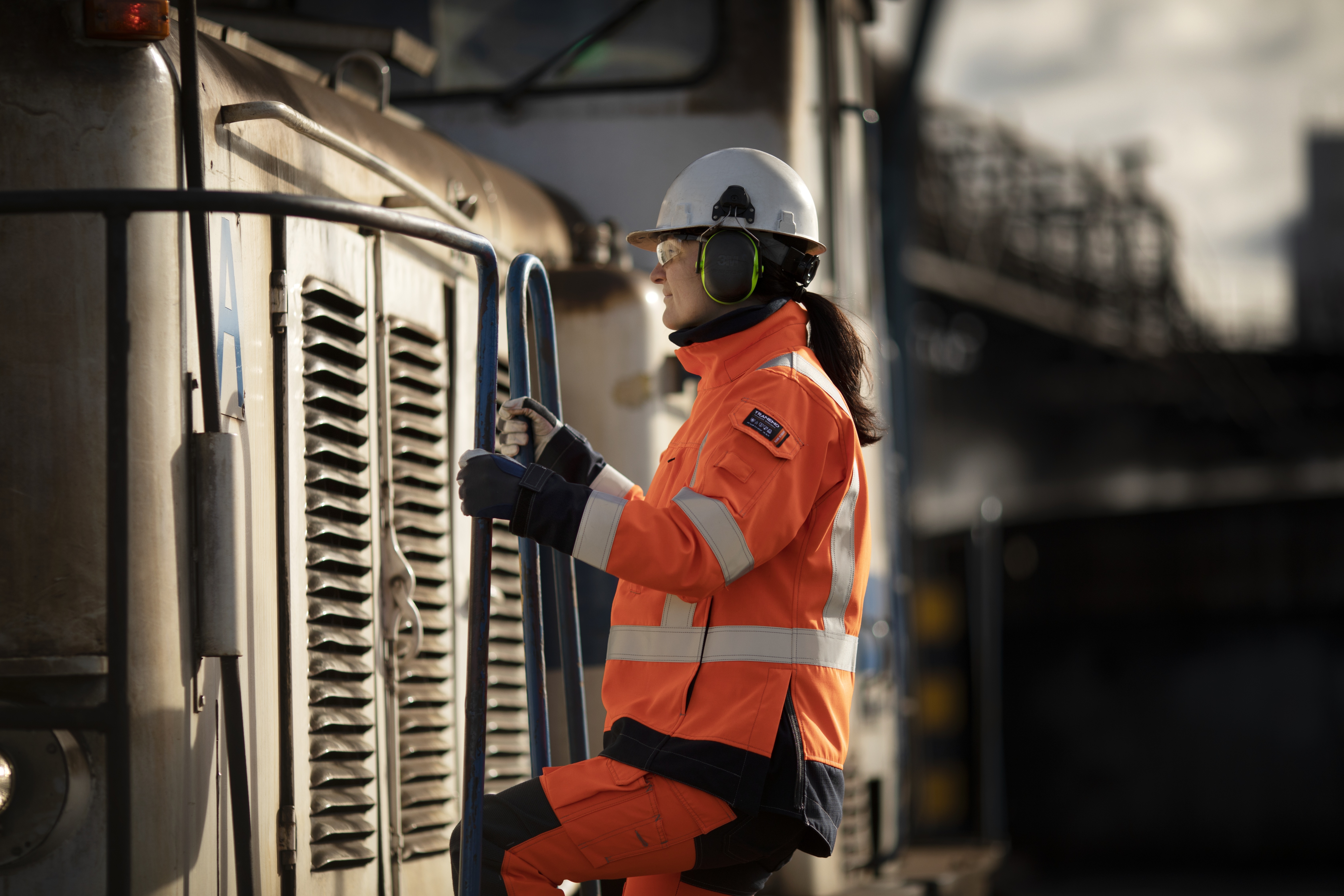
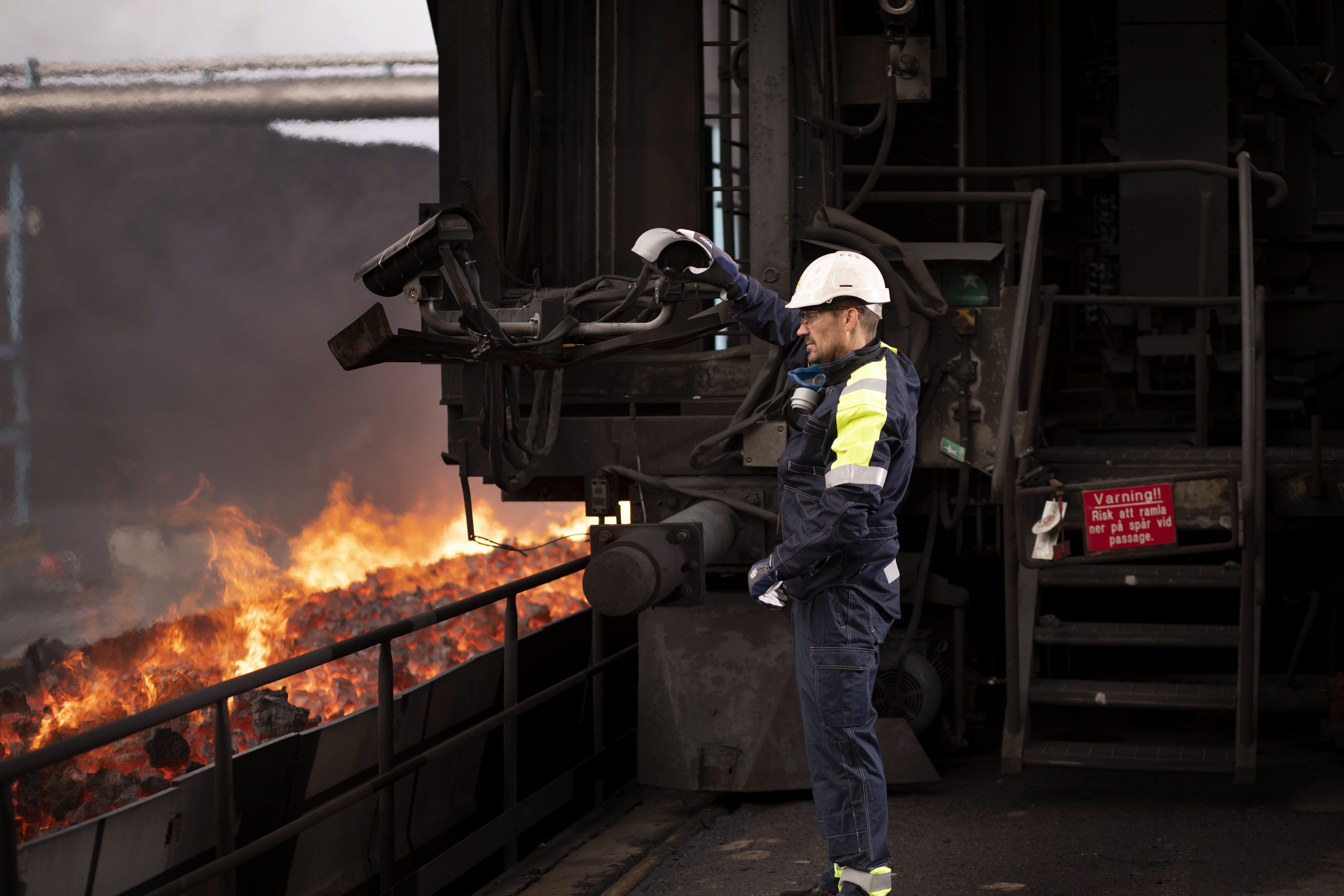
Electrical maintenance teams may be exposed to arc flash risks. Fabrication environments involve sparks, heat and molten metal. Industrial maintenance engineers often work around moving equipment, confined spaces and abrasive conditions that place constant strain on garments.
In these settings, ordinary PPE is rarely enough.
Protective clothing needs to be specifically designed for the hazards involved, whether that means flame-resistant fabrics, anti-static protection or garments certified for electrical-risk environments. Just as importantly, the clothing must continue performing properly over time, even after repeated industrial laundering and daily wear.
This is where businesses sometimes underestimate the operational importance of PPE selection. Choosing garments based purely on price or basic compliance can create wider issues that affect productivity, workforce satisfaction and even long-term costs.
When workwear deteriorates quickly or becomes uncomfortable during long shifts, employees notice immediately. Garments may become restrictive, excessively warm or impractical for detailed technical tasks. Over time, that affects both morale and consistency in PPE usage.
The result is often an ongoing cycle of replacements, complaints and reactive procurement decisions that end up costing more than expected.
What PPE is required for electrical engineering work?
Electrical work presents some of the most serious risks within engineering environments, which is why PPE requirements tend to be more specialised.
One of the biggest hazards is arc flash exposure. An arc flash occurs when an electrical fault creates a sudden release of energy, generating extreme heat and pressure in a fraction of a second. Temperatures can reach several thousand degrees, causing severe burns and catastrophic injuries even without direct contact.
Because of this, workers operating around live electrical systems require garments specifically designed to provide arc flash protection.
Depending on the working environment and risk assessment, this may include:
- Arc-rated flame-resistant clothing.
- Anti-static garments.
- Insulated gloves.
- Electrical hazard footwear.
- Face shields and eye protection.
- Respiratory protection in certain environments.
Importantly, these garments aren't interchangeable with standard high-visibility or general-purpose PPE. Clothing designed for electrical environments must be tested and certified to the relevant standards while also maintaining protection through regular wear and laundering.
For businesses managing engineering teams across utilities, rail, infrastructure or industrial maintenance operations, ensuring consistency in this area is critical. PPE can't simply look compliant — it needs to perform reliably in real operational conditions.
Why comfort has become a much bigger priority
For years, there was an assumption across industrial sectors that protective clothing would naturally be uncomfortable. Heavy fabrics, rigid garments and limited flexibility were accepted as unavoidable trade-offs for safety.
That expectation is changing rapidly.
Engineering businesses are recognising that comfort directly influences both compliance and productivity. If garments are difficult to wear for extended periods, workers are less likely to wear them correctly throughout an entire shift. Discomfort also affects concentration, movement and the ability to carry out technical tasks efficiently.
This is particularly relevant in engineering environments where precision matters. Maintenance engineers, electrical technicians and fabrication teams often need freedom of movement and flexibility to work effectively in confined or technically demanding spaces.
Modern PPE design is responding to this reality. Advances in fabric technology have allowed manufacturers to develop garments that combine protective performance with softer finishes, improved breathability and greater flexibility.
The result is workwear that feels significantly more wearable without compromising on protection.
That balance matters because productivity is rarely affected by one dramatic issue. More often, it's shaped by small operational inefficiencies that build over time. Restrictive garments, overheating and poor mobility may not stop work entirely, but they can make tasks slower, more physically demanding and more frustrating across the course of a working day.
The hidden cost of poor-quality PPE
One of the most common procurement mistakes in engineering is focusing too heavily on upfront garment cost.
On paper, lower-cost PPE can appear commercially attractive. In reality, the long-term operational costs are often far higher.
Engineering environments place enormous strain on workwear. Exposure to heat, friction, oils, sparks and industrial laundering cycles can rapidly reduce the lifespan of poor-quality garments. Once fabrics begin to deteriorate, both protective performance and wearer comfort are affected.
That creates a ripple effect operationally. Garments need replacing more frequently, teams end up wearing inconsistent clothing and procurement becomes reactive rather than planned.
There's also the issue of workforce perception.
Employees working in high-risk environments expect PPE to perform properly. If garments feel low quality or uncomfortable, confidence in the equipment can quickly diminish. Over time, that affects workforce engagement and the broader culture around safety compliance.
Businesses that take a longer-term view tend to approach PPE differently. Instead of focusing purely on initial garment price, they evaluate lifecycle performance, durability and consistency across the workforce. That usually leads to better operational outcomes and lower replacement rates over time.
Choosing PPE that works operationally, not just technically
One of the biggest shifts happening across engineering sectors is the move toward more practical, operational thinking around PPE.
The conversation is no longer simply about where a garment meets the standard. Instead, businesses are increasingly asking: “Will this garment continue performing effectively in our environment six months from now?”
Engineering workwear needs to withstand repeated wear, cleaning and operational pressure without rapidly losing its integrity. It also needs to support the reality of day-to-day engineering work, which means considering mobility, comfort, durability and maintenance alongside compliance.
This is one reason managed workwear services are becoming more attractive across industrial sectors.
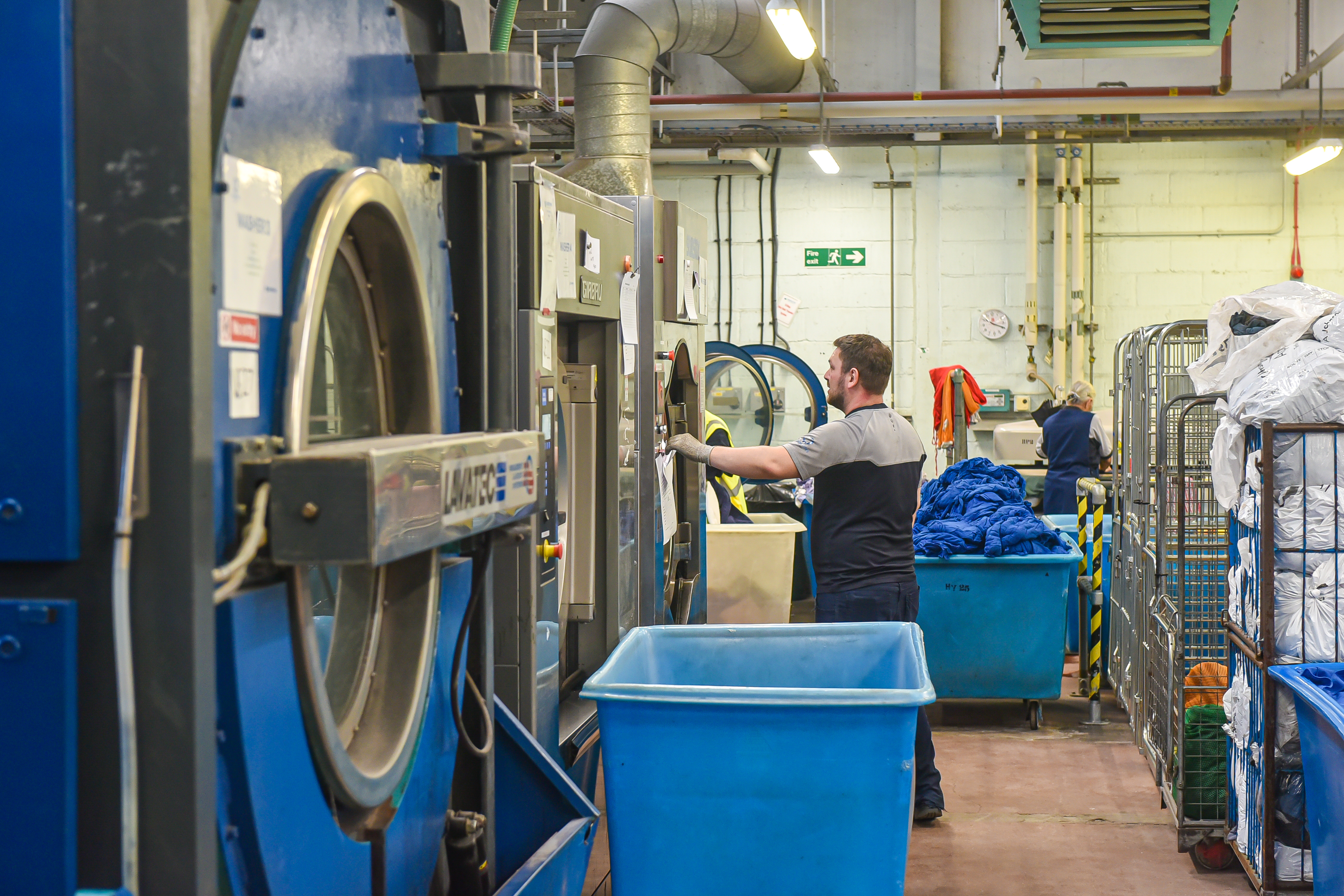
Rather than purchasing garments outright and managing maintenance internally, businesses are increasingly looking for structured rental and laundering solutions that help ensure garments remain compliant, presentable and operationally effective throughout their lifecycle.
For engineering businesses managing large teams or multiple sites, this creates greater consistency and reduces the administrative burden associated with PPE management.
Safety and productivity shouldn't compete
The idea that businesses must choose between safety and operational efficiency is increasingly outdated.
The best engineering PPE now supports both. It protects workers in high-risk environments while also improving comfort, mobility and day-to-day wearability. That has a direct effect on workforce adoption, productivity and overall operational consistency.
As engineering environments continue evolving, PPE strategies are evolving alongside them. Businesses are placing greater emphasis on garment performance over time, workforce experience and long-term operational value rather than treating workwear as a basic procurement exercise.
Ultimately, the most effective PPE isn't simply the garment that meets the minimum requirement. It's the garment that workers can wear confidently, comfortably and consistently throughout the realities of everyday engineering work.
Discover engineering workwear built to perform
From arc flash protection and flame-resistant garments to durable everyday engineering wear, choosing the right PPE is about more than compliance alone. The best workwear supports safety, comfort and operational performance together, helping teams stay protected without slowing productivity.
Download the Johnsons Workwear brochure to discover modern engineering garments designed for demanding industrial environments, with fully managed rental and laundry services available to support long-term compliance and consistency.


.png)

.png)
.jpeg)