

Key takeaways
- Chemical engineering environments expose workers to risks that standard workwear is rarely designed to handle. Protective garments must be selected based on the specific hazards present, including chemical splashes, heat exposure, contamination risks and static discharge.
- Employers have a legal responsibility under the Personal Protective Equipment at Work Regulations 1992 to provide suitable PPE and ensure it remains fit for purpose throughout its lifecycle. Guidance from the Health and Safety Executive also stresses the importance of maintenance, proper use and risk-based protection.
- One of the biggest risks businesses overlook is garment maintenance. Improper laundering or poorly managed PPE can compromise protective performance over time, particularly in environments involving hazardous substances or exposure to contamination.
- Standard workwear often fails in chemical engineering environments because it isn't designed for repeated exposure to industrial hazards, specialist laundering processes or long-term operational wear.
- Managed workwear and laundry services help businesses reduce compliance risk by ensuring garments are cleaned, maintained and replaced correctly throughout their usable lifespan.
Chemical engineering environments are rarely predictable. While some workplace hazards are immediately obvious, many of the most serious risks aren't always visible day-to-day.
Exposure to hazardous substances, chemical splashes, contamination risks, static discharge and heat-related hazards all place enormous demands on protective clothing. In many cases, those risks develop gradually through repeated exposure rather than a single incident, which is why the quality and maintenance of PPE becomes so important.
And yet, despite the complexity of these environments, workwear decisions are still too often treated as straightforward procurement exercises. Businesses focus on compliance certificates or upfront garment costs without always considering how workwear performs over time in real operational conditions.
That approach creates problems quickly in chemical engineering settings. Protective clothing isn't simply there to satisfy regulations. It plays a critical role in reducing exposure, maintaining workforce safety and ensuring operational consistency across high-risk environments.
The challenge for many businesses is that the risks associated with chemical engineering workwear aren't always obvious until something goes wrong.
What PPE is required in chemical engineering environments?
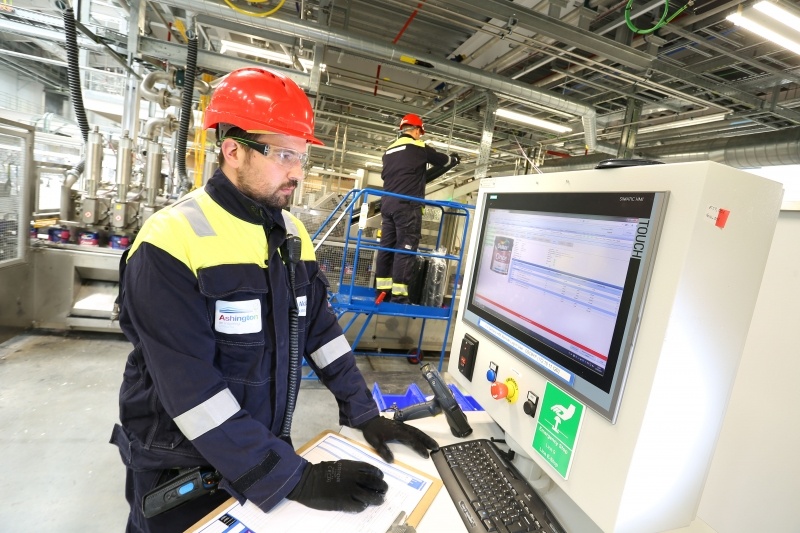
The PPE required in chemical engineering environments will vary depending on the substances involved, the processes being carried out and the wider operational risks within the facility.
Some environments involve direct chemical handling, while others focus more heavily on maintenance, manufacturing or process operations where secondary exposure risks exist. Regardless of the exact setting, the expectation remains the same: protective clothing must be suitable for the specific hazards workers may encounter.
Under UK law, employers are required to carry out suitable risk assessments and provide PPE that appropriately controls those risks where other measures cannot eliminate them entirely.
In chemical engineering environments, this often includes:
- Chemical-resistant garments.
- Flame-resistant or anti-static clothing.
- Protective gloves suitable for specific substances.
- Respiratory protection.
- Chemical splash eye protection.
- Specialist footwear designed for hazardous environments.
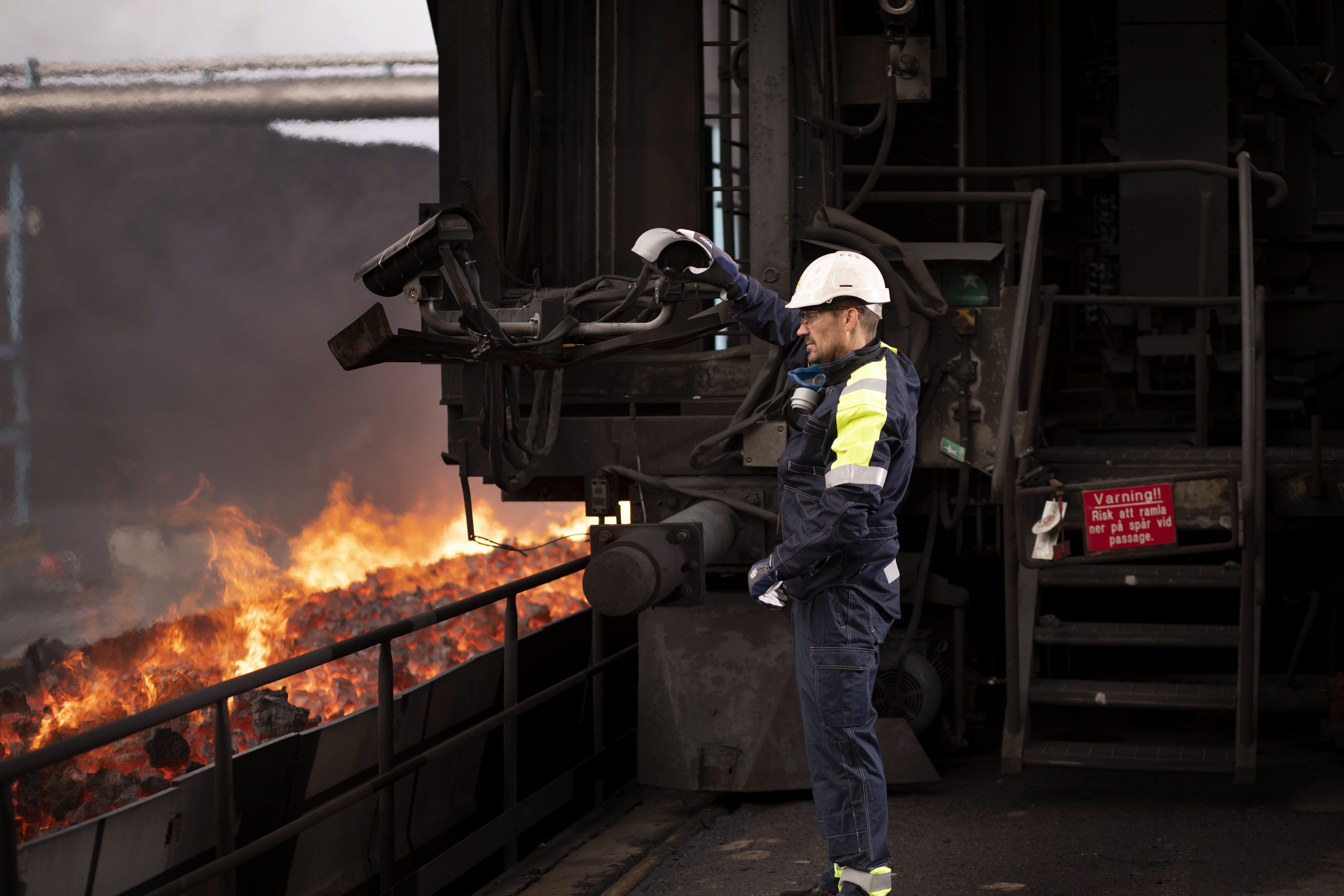
In some cases, garments may also need to provide multi-risk protection when chemical exposure coexists with heat, electrical or static-related hazards.
Importantly, PPE selection can't be based on general assumptions. A garment suitable for one environment may be entirely inappropriate in another. The materials, protective treatments and garment construction all need to reflect the operational risks involved.
This is where many businesses underestimate the complexity of engineering workwear.
Why standard workwear often fails in chemical environments
Standard industrial workwear isn't designed to cope with the demands of chemical engineering operations.
While basic garments may provide general protection or durability, they're often unsuitable for environments involving hazardous substances, contamination risks or specialist cleaning requirements. Fabrics can degrade more quickly than expected, protective qualities may reduce over time and garments that initially appear compliant can rapidly become ineffective under operational pressure.
One of the biggest issues is exposure repetition.
Chemical engineering environments frequently expose garments to repeated low-level contamination, splashes or airborne particles. Even when exposure appears minor, the cumulative effect on workwear can be significant over time. Fabrics become weakened, protective coatings degrade and contamination risks increase if garments aren't managed properly.
This becomes even more problematic when laundering processes are inconsistent.
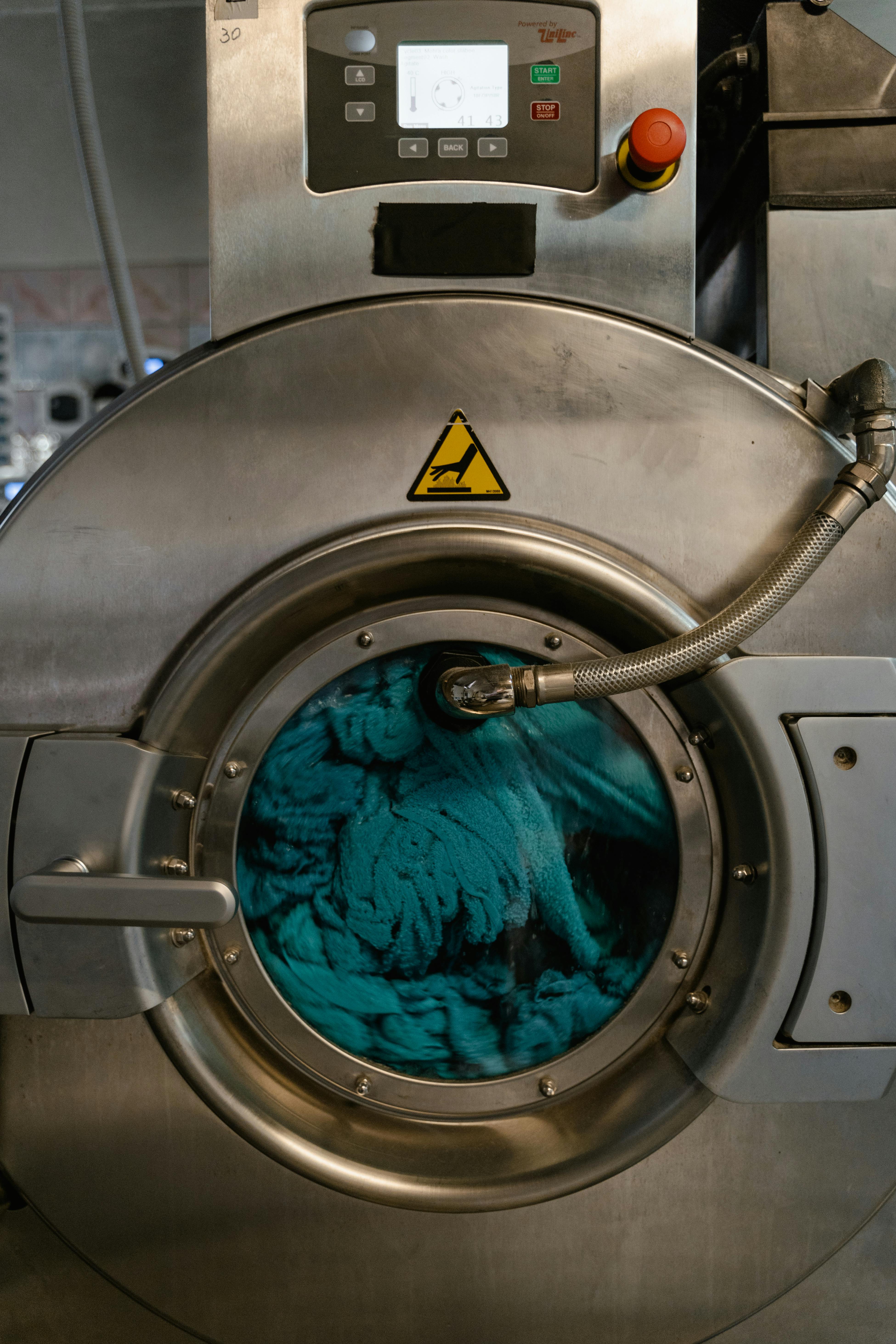
Unlike general workwear, PPE used in chemical environments often requires specialist cleaning and maintenance procedures to ensure garments continue performing correctly. Incorrect washing temperatures, cross-contamination or poor handling processes can compromise garment integrity and reduce protective performance significantly.
That's why simply issuing PPE is not enough. Businesses also need confidence that garments are being maintained properly throughout their usable lifespan.
The hidden compliance risks businesses overlook
Many chemical engineering businesses focus heavily on the initial selection of PPE but place far less attention on what happens afterwards.
In reality, some of the biggest compliance risks emerge during the ongoing management of workwear rather than the purchasing stage itself.
Protective garments deteriorate gradually over time. Damage may not always be immediately visible, particularly in environments involving repeated laundering, chemical exposure or industrial wear. Small issues such as fabric thinning, damaged seams or reduced protective coatings can significantly affect garment performance without workers necessarily noticing.
This creates a difficult challenge for businesses managing PPE internally.
Without structured inspection, laundering and replacement processes, it becomes harder to guarantee that garments remain compliant and fit for purpose. In environments where worker exposure risks are high, that uncertainty creates operational and legal concerns.
There's also the issue of contamination control.
Chemical engineering businesses can't always rely on domestic or general-purpose laundry processes for PPE maintenance. Improper handling can create contamination risks not only for the garments themselves, but also for workers and wider operational environments.
The Health and Safety Executive makes clear that employers remain responsible for ensuring PPE is properly maintained, stored and replaced where necessary. Compliance is not limited to issuing garments on day one. It extends throughout the entire lifecycle of the workwear.
Why garment maintenance matters more than many realise
In chemical engineering environments, garment maintenance isn't simply a hygiene issue. It's a safety issue.
Protective clothing needs to retain its performance capabilities after repeated wear and cleaning cycles. If garments are improperly washed, repaired or handled, their ability to protect workers may gradually decline without businesses immediately recognising the problem.
This is particularly important in environments where garments combine multiple protective properties, such as flame resistance and anti-static performance. Specialist fabrics require controlled laundering processes designed to preserve those protective characteristics over time.
The challenge for many businesses is that managing this internally can quickly become resource-intensive.
Garments need to be consistently tracked, inspected, cleaned and replaced. Engineering teams may operate across multiple departments or facilities, making standardisation even more difficult to maintain. Once workwear management becomes fragmented, inconsistencies inevitably begin to appear.
That’s just one reason why more engineering organisations are rethinking how they manage PPE altogether.
How managed workwear services reduce risk
For many chemical engineering businesses, managed workwear services provide greater operational control and consistency than direct ownership models.
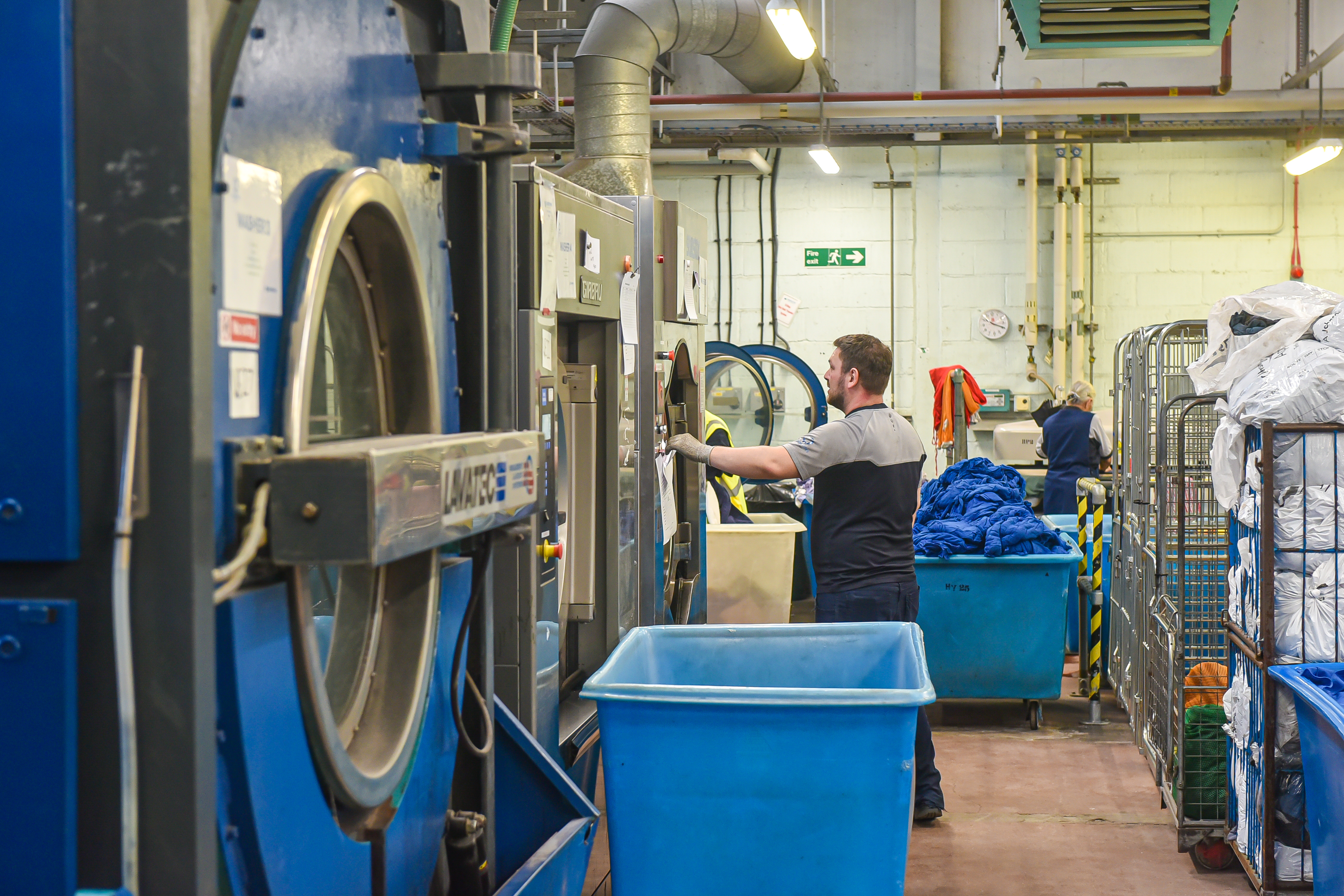
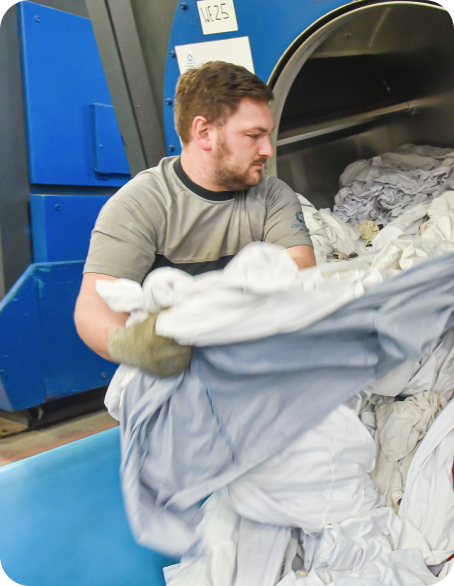
Rather than purchasing garments outright and relying on internal teams to manage maintenance, businesses instead work with specialist providers that handle laundering, repairs, garment replacement and lifecycle management as part of an ongoing service.
Operationally, this removes a significant burden from engineering and procurement teams. More importantly, it helps ensure that garments continue to perform correctly throughout their lifespan.
This approach also helps businesses address several of the hidden risks associated with chemical engineering PPE:
- Specialist laundering processes help preserve garment integrity.
- Structured inspection programmes improve visibility over garment condition.
- Repair and replacement cycles become more consistent.
- Contamination risks are reduced through controlled handling procedures.
- Workforce presentation and compliance standards remain standardised.
For businesses operating in highly regulated or safety-critical environments, that consistency becomes increasingly valuable.
Managed services also provide greater visibility over garment usage and replacement trends, helping businesses make more informed operational decisions rather than relying on reactive purchasing when garments fail unexpectedly.
Engineering workwear is becoming more strategic
Chemical engineering businesses are under increasing pressure from every direction. Safety expectations are rising, compliance standards continue evolving and operational efficiency remains a constant priority.
As a result, workwear is no longer viewed purely as a functional requirement. Increasingly, it's being treated as part of broader operational risk management.
Businesses are looking more closely at:
- Garment lifecycle performance.
- Maintenance consistency.
- Compliance assurance.
- Workforce comfort.
- Long-term operational efficiency.
- Sustainability and waste reduction.
That shift is changing how PPE decisions are made.
The focus is moving away from short-term garment cost and toward long-term operational reliability. Businesses are recognising that protective clothing only delivers value if it continues to perform properly in the realities of everyday engineering work.
The risks within chemical engineering environments aren't always immediately visible, which is exactly why PPE decisions matter so much.
Protective garments need to do more than satisfy minimum standards. They must withstand demanding operational conditions, maintain their protective qualities over time and support worker safety in environments where the margin for error is extremely small.
For many businesses, the biggest challenge isn't selecting PPE initially. It's maintaining consistency, compliance and garment performance over the long term.
That's why workwear management is becoming a far more strategic consideration across engineering sectors. Because ultimately, the effectiveness of PPE depends not only on what is issued, but on how well it's maintained, managed and supported throughout its entire lifecycle.
Explore engineering workwear designed for demanding environments
From flame-resistant garments and anti-static protection to fully managed laundry and maintenance services, Johnsons Workwear supports engineering businesses with compliant, durable and professionally managed workwear solutions.
Discover how our engineering workwear services help businesses improve consistency, reduce operational risk and keep teams protected in challenging industrial environments.



.jpeg)