
Understanding PPE standards in the UK can feel complicated. Between regulations, certifications and industry-specific requirements, many businesses struggle to know exactly what applies to them.
The reality is simpler than it seems, and this guide breaks down what that means in practice, what employers are responsible for, common mistakes to avoid and how to stay compliant without overcomplicating things.
Key takeaways
- UK PPE requirements are governed primarily by the Personal Protective Equipment at Work Regulations 1992, updated in 2022.
- Employers must provide suitable PPE free of charge where risks cannot be controlled by other means.
- PPE must be properly assessed, maintained and used correctly, with training provided to workers.
- All PPE must meet UKCA or CE marking standards to be legally supplied in the UK.
- Compliance is achieved through risk assessment, correct selection and consistent management, not just buying equipment.
Understanding PPE standards in simple terms
If you ask most businesses what PPE standards in the UK actually mean, you’ll usually get one of two answers. Either it’s seen as a box-ticking exercise, or it’s something overly complex that’s hard to navigate without specialist knowledge.
In reality, it sits somewhere in between. The rules themselves are clear, but where companies often struggle is in applying them properly to day-to-day operations.
At its core, PPE legislation in the UK is built on a straightforward principle: if a risk can’t be controlled in another way, workers must be protected.
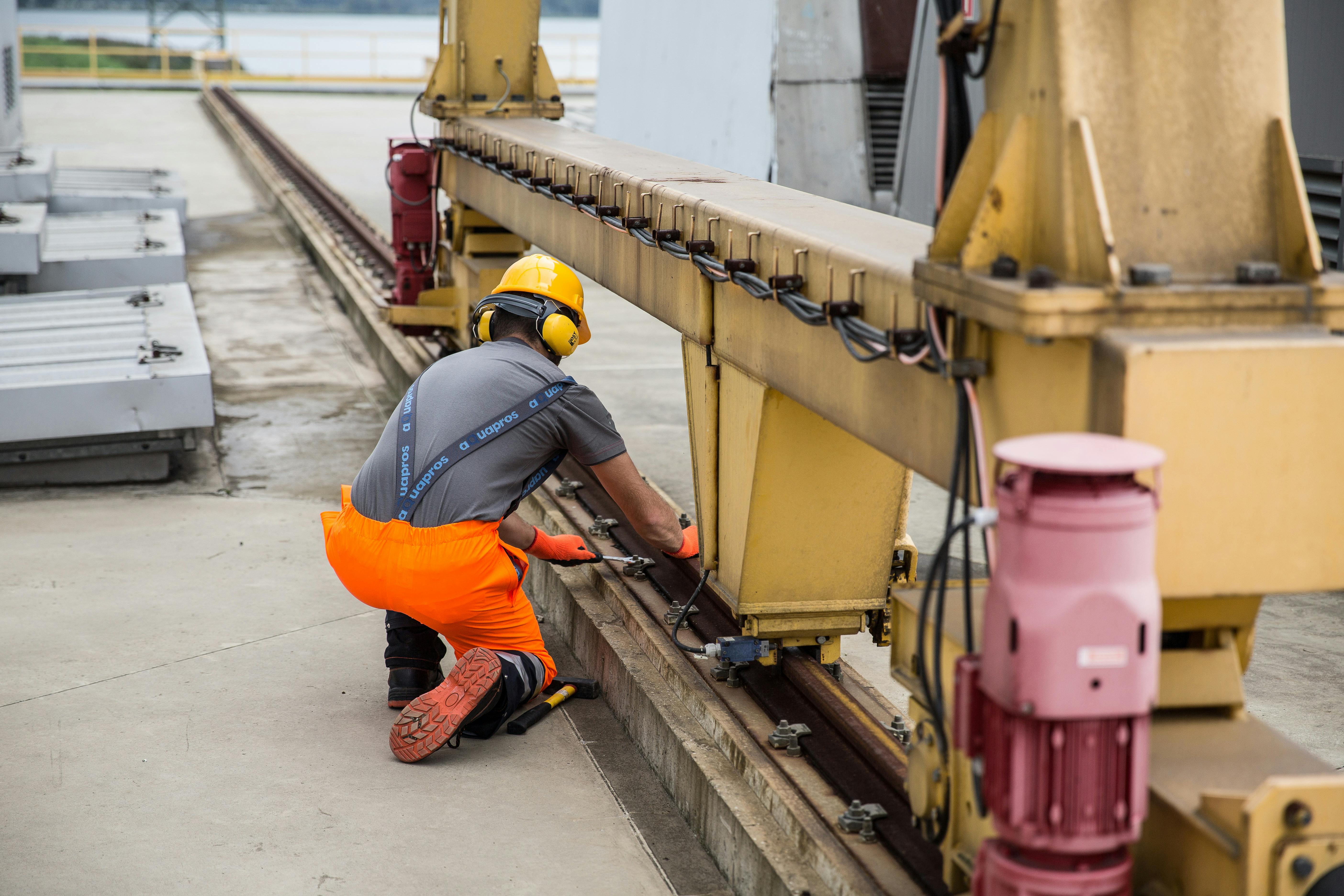
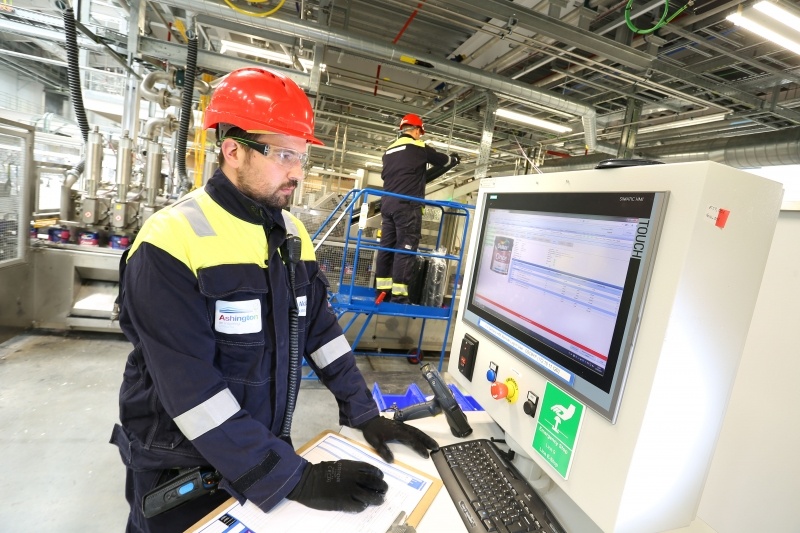
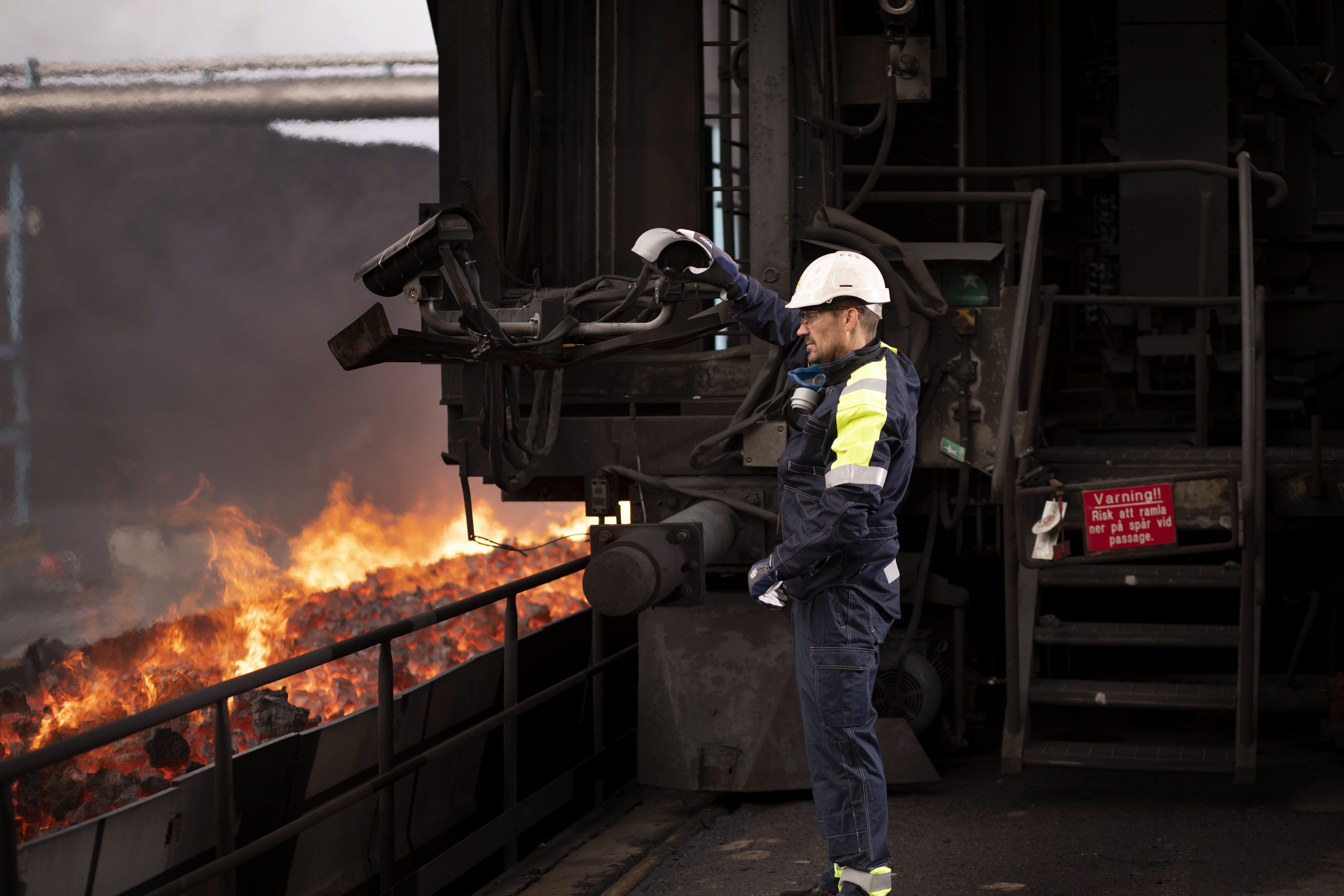
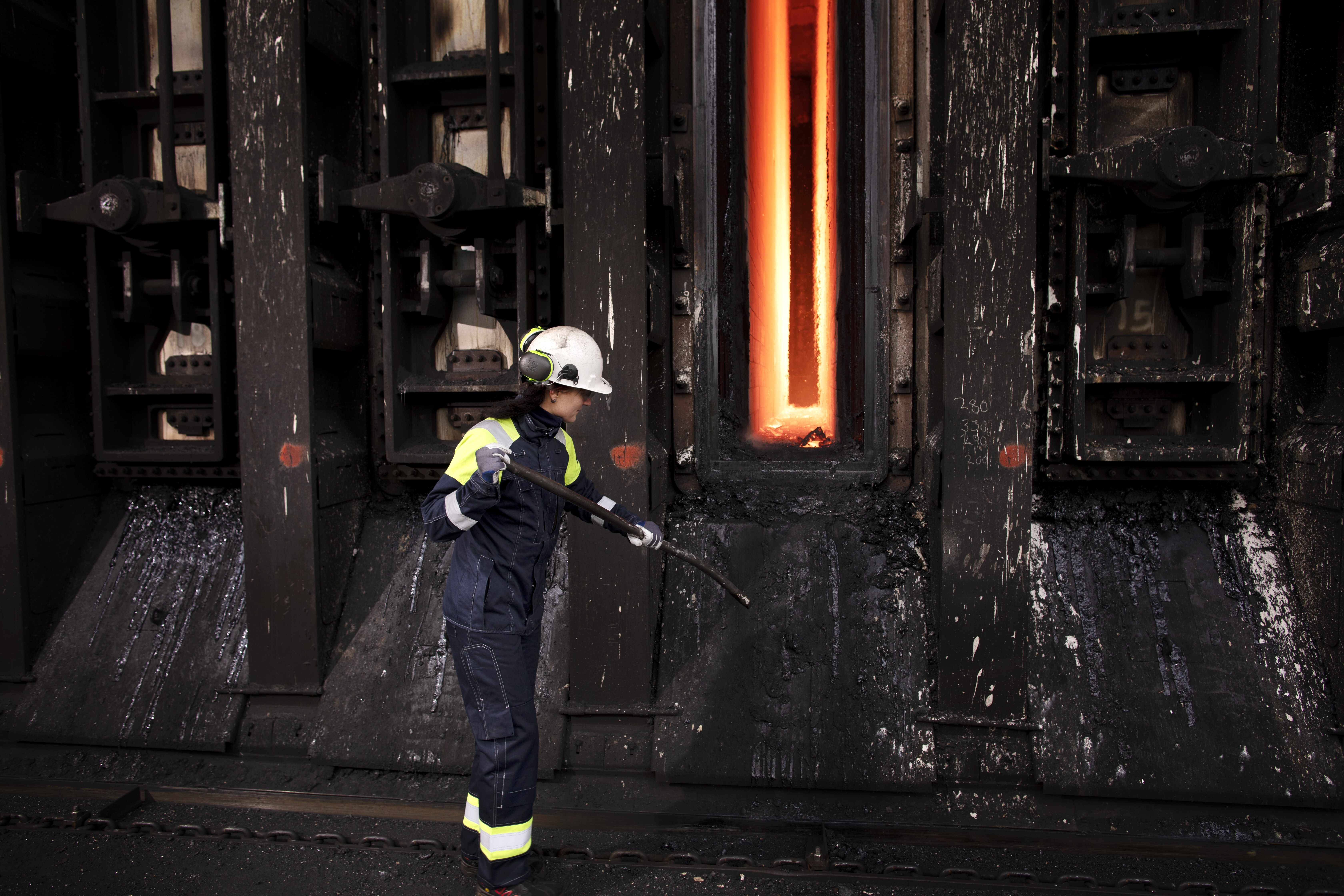
That protection comes in the form of personal protective equipment, whether that’s high-visibility clothing on a roadside, flame-resistant garments in a workshop or protective gloves in a manufacturing environment.
The legal framework behind this is the Personal Protective Equipment at Work Regulations 1992, supported by updates introduced in 2022. Alongside this sits the broader Health and Safety at Work etc. Act 1974, which places a duty on employers to protect the health and safety of their workforce.
Taken together, these laws don’t just require businesses to provide PPE. They require them to think carefully about risk, suitability and ongoing management.
What regulations actually apply to your business?
For most organisations, the PPE at Work Regulations will be the starting point. They set out when PPE is required, how it should be selected and what employers need to do to ensure it remains effective.
What’s changed in recent years is who those responsibilities apply to. The 2022 update widened the scope beyond traditional employees, meaning contractors and other workers must now also be considered. For many businesses, that shift has gone under the radar, but it’s an important one.
Alongside this, any PPE you provide must meet recognised product standards. That typically means UKCA or CE marking, confirming that the equipment has been tested and meets the required safety criteria.
In practical terms, this is where compliance starts to move beyond theory. It’s not just about having PPE on site. It’s about ensuring that what you provide is fit for purpose, correctly certified and appropriate for the risks your teams actually face.
Where many businesses get it wrong
One of the most common misconceptions is that PPE is the first step in managing risk. In reality, it should be one of the last.
The Health and Safety Executive is clear on this. Employers should first look to eliminate hazards or control them through safer processes. PPE only comes into play when those options aren’t enough on their own.
Another frequent issue is treating PPE as a one-off purchase rather than an ongoing responsibility. It’s easy to assume that once equipment has been issued, the job is done. But without proper maintenance, replacement and oversight, even the best PPE quickly becomes ineffective.
Fit and suitability are also often overlooked. A high-visibility jacket that doesn’t fit properly, or protective clothing that isn’t suited to the specific hazard, can create a false sense of security rather than real protection.
Then there’s training. It’s not uncommon for businesses to invest in high-quality equipment but fail to ensure it’s used correctly. PPE only works when people understand how and when to use it — and why it matters.
What employers are actually responsible for
Strip away the legal language and the responsibilities are fairly clear.
Employers need to understand the risks in their workplace. That means carrying out proper assessments, not relying on assumptions or outdated information. Once those risks are identified, the next step is to decide whether they can be eliminated or reduced through other means.
If they can’t, suitable PPE must be provided — and importantly, it must be provided free of charge. That includes replacements and ongoing maintenance, not just the initial issue.
From there, the focus shifts to management. PPE needs to be kept in good condition, stored correctly and replaced when necessary. Workers need to know how to use it, and there needs to be some level of oversight to ensure it’s being worn consistently.
None of this is particularly complicated on its own. The challenge comes when it’s spread across multiple sites, teams or roles. That’s where processes and external support start to make a real difference.
Making compliance simpler in practice
For many businesses, PPE becomes complicated because it’s handled in a fragmented way. Different departments manage their own requirements, standards vary from site to site and there’s little consistency in how equipment is issued or maintained.
A more effective approach is to standardise wherever possible. That doesn’t mean taking a one-size-fits-all view, but it does mean creating clear, repeatable processes that everyone can follow.
It also helps to start with risk rather than products. Instead of asking “what PPE do we need?” — the better question is “what are we trying to protect against?”
Once that’s clear, selecting the right equipment becomes much more straightforward.
Working with a trusted supplier can also remove a lot of uncertainty. Not just in terms of product quality, but in understanding what compliance actually looks like in your specific industry.
For some organisations, particularly those managing large or distributed workforces, outsourcing elements of workwear management can make a significant difference. A managed service can take care of laundering, maintenance and replacement, helping to ensure standards are met without adding to internal workloads.
Why getting PPE right matters
It’s easy to think of PPE as a regulatory requirement, but its impact goes much further than that.
When it’s managed properly, it protects workers, reduces risk and helps create a more professional, consistent working environment. It also plays a role in how your business is perceived, both internally and externally.
On the flip side, poor PPE management can lead to compliance issues, operational disruption and reputational damage. In safety-critical environments, the consequences can be far more serious.
That’s why many organisations are starting to take a more strategic approach. Not just meeting the minimum requirements, but looking at how workwear and PPE can support wider goals around efficiency, sustainability and employee experience.
Take the next step with confidence
If there’s one takeaway from all of this, it’s that PPE compliance doesn’t need to be overly complex. The fundamentals are well established, and most businesses already have the foundations in place.
The key is to approach it in a structured way. Understand your risks, provide the right equipment and make sure it’s managed properly over time.
From there, it becomes less about firefighting and more about consistency — which is where real improvements in safety and efficiency tend to happen. Understanding PPE standards is one thing. But applying them consistently across your workforce is where many businesses feel the pressure.
If you’re looking to simplify compliance, reduce admin and ensure your teams are always equipped with the right workwear, it helps to have a clear, structured approach in place.
Our Workwear Rental Guide breaks down how a fully managed service can support compliance, improve efficiency and take the complexity out of day-to-day workwear management.





.png)