

Spreadsheets and paper logs have been the go-to method for tracking protective equipment across UK workplaces for decades. On the surface, they appear to work. Columns fill up, dates get recorded, and someone files the paperwork away.
But when an auditor asks for proof that a specific hi-vis jacket was inspected on a specific date, those familiar rows and columns start to fall apart. This guide explains where manual PPE rental tracking breaks down, the compliance risks it creates, and how compliant workwear audit trails give your teams the traceability they need.
Key takeaways: why manual PPE rental tracking fails in 2026
- Spreadsheets and paper logs cannot keep pace with the traceability demands of current UK PPE regulations.
- Manual tracking increases the risk of missed inspections, lost garments, and audit failures.
- Compliant audit trails connect every garment to its full lifecycle of inspections, repairs, and laundering.
- Johnsons Workwear builds audit-driven compliance monitoring into its managed rental service.
- Replacing manual processes reduces administrative burden and strengthens operational control across multiple sites.
What does manual PPE rental tracking look like?
Manual tracking typically involves a mix of spreadsheets, paper inspection sheets, handwritten sign-out logs, and ad-hoc email chains. One person records when a garment is issued. Another notes when it comes back for laundering. A third logs inspection results in a separate file.
Each of these records may be accurate on its own. Together, they create an incomplete and disconnected picture of your PPE inventory. When records are spread across locations, departments, and formats, it becomes difficult to know the true condition, compliance status, or remaining lifespan of any piece of protective equipment.
For businesses managing hundreds or thousands of garments across multiple UK sites, this fragmented approach quickly becomes unworkable.
Why do spreadsheets fail for PPE tracking?
Spreadsheets were designed for general data entry, not for managing the lifecycle of safety-critical equipment. The failures are not dramatic. They are quiet, incremental, and cumulative.
Data entry errors accumulate over time
Every manual entry is an opportunity for a mistake. A transposed serial number, a missed inspection date, or a garment logged to the wrong employee can create gaps that go unnoticed for weeks. Over time, those small errors compound into a dataset you cannot trust when it matters most.
According to a study published by Nature Scientific Data in 2025, spreadsheet-based data management in operational environments carries a significantly higher error rate than structured digital systems.
Version control breaks down across teams
When multiple team members update the same spreadsheet, or worse, maintain separate copies, version conflicts become inevitable. A procurement manager in one location may be working from a file that does not reflect the latest inspection results logged by a safety officer elsewhere.
This is not a minor inconvenience. It means your compliance records are only as current as the last person who remembered to update the shared file.
No real-time visibility into garment status
A spreadsheet can tell you what was true when someone last updated it. It cannot tell you what is true right now. If a flame-resistant coverall failed an inspection this morning, the spreadsheet may still show it as active and in service until someone manually changes the record.
That delay between reality and record creates risk. Equipment that should be removed from circulation stays available. Inspections that are overdue do not trigger alerts. The gap between what your records say and what is actually happening on the ground grows wider every day.
What compliance risks does manual tracking create?
The Personal Protective Equipment at Work Regulations 1992 (amended 2022) require employers to ensure PPE is assessed before use, maintained in good condition, stored correctly, and replaced when it no longer meets required standards. The Health and Safety at Work Act 1974 reinforces these duties across all industries.
Manual tracking makes it difficult to prove you have met these obligations. Here is where the risk concentrates.
Audit readiness becomes guesswork
When a health and safety inspector asks for documentation, you need to produce a clear record showing that a specific garment was issued, inspected, laundered, and maintained according to the relevant standard. With paper logs and spreadsheets scattered across departments, assembling that record becomes a time-consuming reconstruction exercise.
Gaps in your documentation do not prove you failed to maintain the garment. But they do make it significantly harder to demonstrate that you did.
Inspection schedules slip without alerts
Spreadsheets do not send reminders. If a routine inspection is due and the person responsible is on leave, ill, or simply busy, that inspection may be missed entirely. Over weeks and months, missed inspections accumulate, and garments remain in service longer than they should.
For PPE categories governed by specific standards such as EN ISO 20471 for high-visibility clothing or EN 11612 for flame-resistant garments, missed inspections can mean garments no longer meet the standard they were certified against.
Traceability gaps increase employer liability
If an incident occurs and your records cannot demonstrate that the PPE involved was properly maintained, your liability exposure increases. The burden of proof sits with the employer. Incomplete records make it harder to defend your position, even if your actual maintenance practices were sound.
How does manual tracking affect daily operations?
Beyond compliance, manual tracking creates obstacles in everyday operational tasks that your teams deal with regularly.
Garment allocation and returns become chaotic
When sign-out logs are paper-based, tracking which employee has which garment at any given time becomes unreliable. Staff turnover, role changes, and site transfers all create opportunities for garments to go unrecorded. Lost garments become a recurring cost, and replacement ordering is reactive rather than planned.
Administrative time adds up quickly
Chasing missing records, reconciling spreadsheet versions, and manually compiling audit reports all consume hours that your operations, procurement, and health and safety teams could spend on higher-value work. For businesses managing large manufacturing or engineering workforces, this administrative overhead compounds across every site.
Multi-site consistency is nearly impossible
If your business operates across several UK locations, maintaining a consistent standard of PPE tracking through manual methods is exceptionally difficult. Each site develops its own habits, its own filing conventions, and its own interpretation of what "up to date" means. Standardisation weakens, and head-office visibility into site-level compliance becomes patchy at best.
What is a compliant workwear audit trail?
A compliant audit trail is an ongoing, verifiable record that connects every garment to its full lifecycle: issue date, wearer assignment, inspection results, laundering cycles, repairs, replacements, and eventual retirement. Each event is logged with a timestamp and linked to the specific garment, creating a single thread of accountability.
This is not just about having more data. It is about having data that is structured, connected, and available on demand when you need to demonstrate compliance or make an operational decision.
How do audit trails differ from spreadsheet logs?
The core difference is connectivity. A spreadsheet log records events in isolation. An audit trail links those events together so you can trace the full history of a single garment from issue to retirement without switching between files, folders, or departments.
Audit trails also enforce consistency. Every record follows the same structure, uses the same fields, and is stored in the same place. That consistency is what makes the data usable for compliance reporting, operational planning, and inspection readiness.
What should a compliant PPE audit trail include?
To meet UK regulatory expectations and give your teams genuine operational value, a compliant PPE audit trail should cover the following elements.
Garment identity and assignment
Every garment should be individually identifiable, whether by barcode, RFID tag, or unique serial number. The audit trail should record which employee the garment is assigned to, at which site, and in which role. Changes in assignment should be logged automatically, not left to manual updates.
Inspection and maintenance records
Each inspection, repair, and maintenance event should be logged against the specific garment it relates to. This includes the date, the outcome (pass or fail), and any corrective action taken.
For garments governed by standards such as EN ISO 20471 or EN 11612, the audit trail should reference the applicable standard.
Laundering and decontamination cycles
Professional laundering is essential for preserving the protective properties of PPE. Reflectivity, flame resistance, and fluid repellency all degrade with incorrect washing. The audit trail should record every laundering cycle, the process used, and confirmation that the garment was returned to service in a compliant state.
Johnsons Workwear operates EN 14065-certified laundering processes, which means every garment processed through the managed rental service is laundered to a documented, auditable standard designed to preserve PPE properties.
Replacement and end-of-life records
When a garment reaches the end of its serviceable life, the audit trail should record when it was retired, why, and what replaced it. This closes the loop on garment lifecycle management and gives your procurement team accurate data for planning future stock requirements.
How does Johnsons Workwear build audit trails into managed rental?
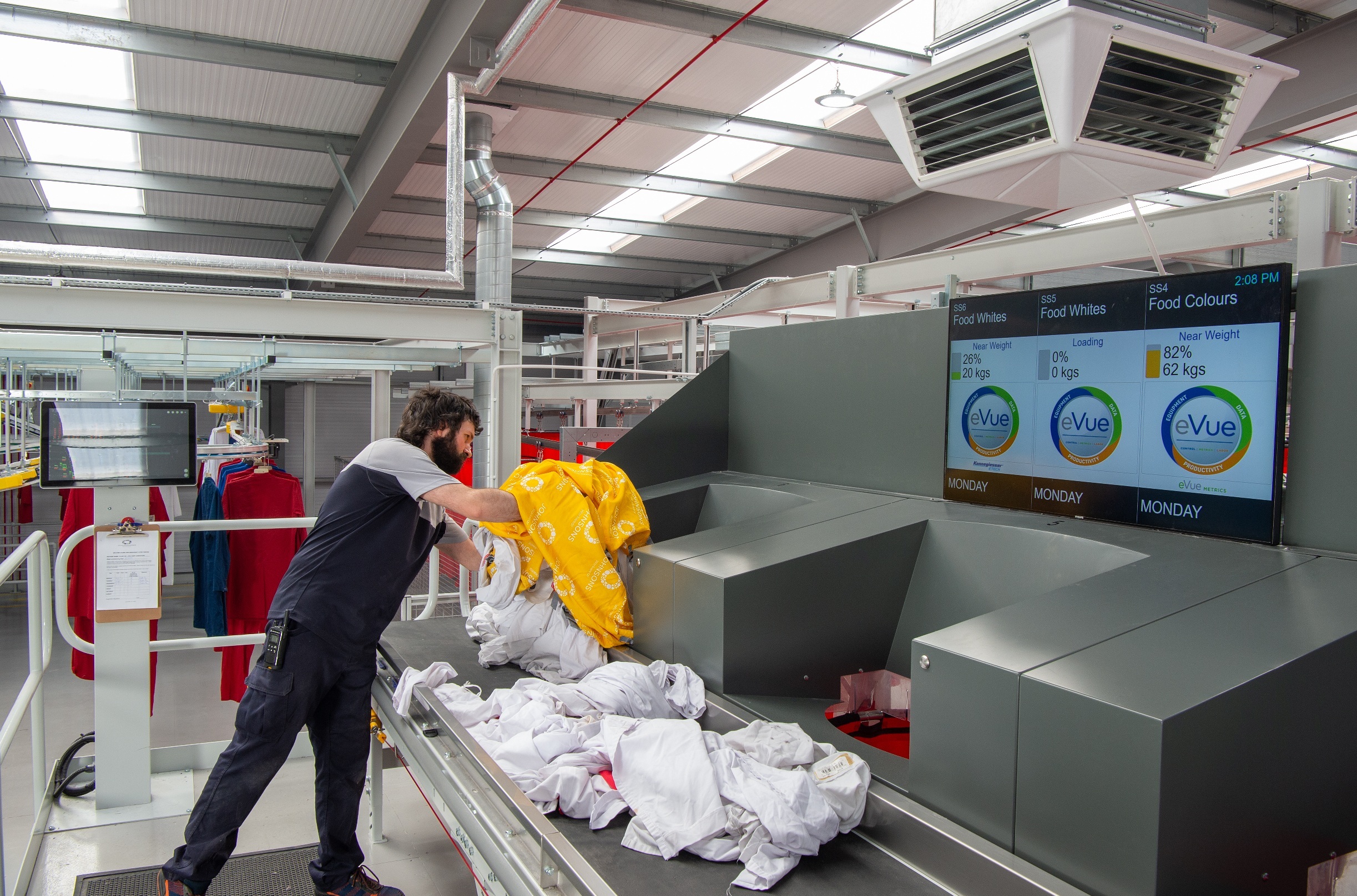
Johnsons Workwear's managed workwear rental and laundering service removes the need for your teams to build and maintain tracking systems manually. Every garment in the rental fleet is tracked through an ongoing cycle of supply, collection, industrial laundering, inspection, repair, and replacement.
This means your compliance records are generated as a natural by-product of the service, not as a separate administrative task. Inspections happen at every laundering cycle. Repairs and replacements are logged automatically. And garment history is available when you need it, without reconstructing records from multiple sources.
With over 200 years of experience as a trusted UK workwear partner, Johnsons Workwear brings audit-driven compliance monitoring to businesses across manufacturing, engineering, automotive, healthcare, and food production.
Step-by-step: how to move from manual tracking to compliant audit trails
Replacing an established manual process does not happen overnight. Here is a practical step-by-step approach your team can follow.
Step 1: Audit your current tracking methods
Map out every spreadsheet, paper log, and informal process your teams currently use to track PPE. Identify where records are stored, who is responsible for updating them, and where the most common gaps occur.
This baseline gives you a clear picture of what needs to change and where the highest compliance risks sit.
Step 2: Define what your audit trail needs to capture
Work with your health and safety team to list every data point your audit trail must include. At a minimum, this should cover garment identity, wearer assignment, inspection results, laundering records, repairs, and end-of-life disposition. Align these requirements with the specific standards that apply to your PPE categories.
Step 3: Evaluate your options
You can build an internal digital tracking system, adopt dedicated PPE management software, or partner with a managed rental service that includes audit trail capability as standard. Each option carries different cost and resource implications.
For many UK businesses, a managed rental approach delivers the most complete solution because the tracking is built into the service rather than layered on top of existing processes.
Step 4: Implement garment-level identification
Assign a unique identifier to every garment in your PPE inventory. Barcode or RFID tagging enables automated scanning at each stage of the garment lifecycle, reducing manual data entry and the errors that come with it.
Step 5: Train your teams and set clear responsibilities
Any tracking system is only as good as the people using it. Define who is responsible for each stage of the audit trail, from issuing garments through to logging inspections and flagging garments for replacement. Train everyone involved, and build compliance checks into regular operational reviews.
Step 6: Review and improve on an ongoing basis
Regulations evolve. Your workforce changes. New PPE categories may be introduced. Schedule regular reviews of your audit trail processes to confirm they still meet your compliance obligations and operational needs. A managed rental partner like Johnsons Workwear can support this by updating compliance monitoring as regulations change.
What industries benefit most from PPE audit trails?
Any UK business that issues protective equipment to its workforce benefits from having a reliable audit trail. Some sectors face particularly high regulatory scrutiny and operational complexity.
Manufacturing and heavy industry
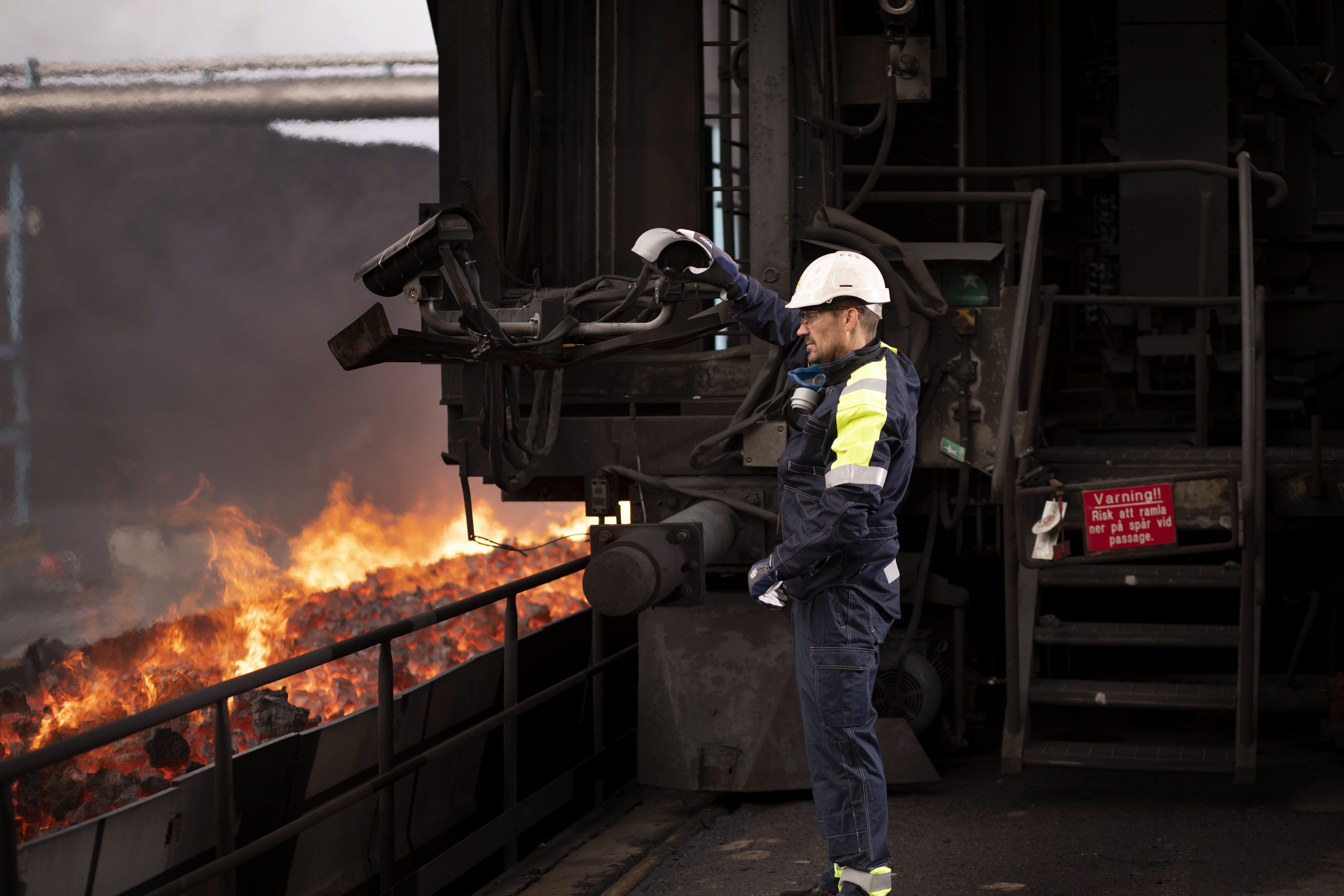
Large manufacturing operations issue hundreds or thousands of garments across multiple shifts and sites. Flame-resistant coveralls, hi-vis jackets, and specialist PPE all require regular inspection and professional laundering to maintain compliance with standards such as EN 11612 and EN ISO 20471.
Manual tracking at this scale generates significant administrative overhead and compliance risk.
Engineering and construction
Engineers working in high-risk environments need PPE that meets sector-specific requirements. The consequences of issuing a garment that has missed an inspection or been compromised by incorrect washing are serious. Audit trails give site managers confidence that every garment on their workforce meets the required standard.
Healthcare and food production
Infection control and hygiene standards in healthcare and food production demand meticulous garment tracking. Cross-contamination risks, decontamination protocols, and regulatory inspections all require clear, verifiable records that manual methods cannot reliably deliver.
Transport and logistics
Transport workers operate in some of the most demanding environments, from railway stations to airfields and motorways. PPE for rail, road, air, and maritime sectors must meet standards including RIS-3279-TOM for rail and EN ISO 20471 for road.
Tracking compliance across a dispersed transport workforce is a particular challenge that audit trails solve effectively.
What are the hidden costs of sticking with manual PPE tracking?
The costs of manual tracking extend well beyond the obvious time spent updating spreadsheets.
Premature garment replacement
Without accurate lifecycle data, safety-conscious teams often replace garments earlier than necessary, simply because they cannot confirm the garment's history. This drives unnecessary spending and makes budgeting less predictable.
Extended use of compromised garments
The opposite problem is equally common. When inspection records are incomplete, garments may stay in service past the point where their protective properties have degraded. Flame resistance, reflectivity, and fluid repellency all diminish with wear and incorrect washing. If you cannot see a garment's full history, you cannot make informed decisions about when to retire it.
Reactive instead of planned procurement
Manual tracking gives you a snapshot, not a forecast. Replacement ordering becomes reactive, driven by visible wear and tear or audit failures rather than planned lifecycle management. This leads to emergency orders, higher per-unit costs, and gaps in your PPE inventory.
How does professional laundering support PPE compliance?
PPE is designed to protect. That protection depends on the garment being maintained correctly throughout its working life. Professional industrial laundering preserves essential PPE properties such as reflectivity and flame resistance, while frequent inspections and repairs extend garment lifespan.
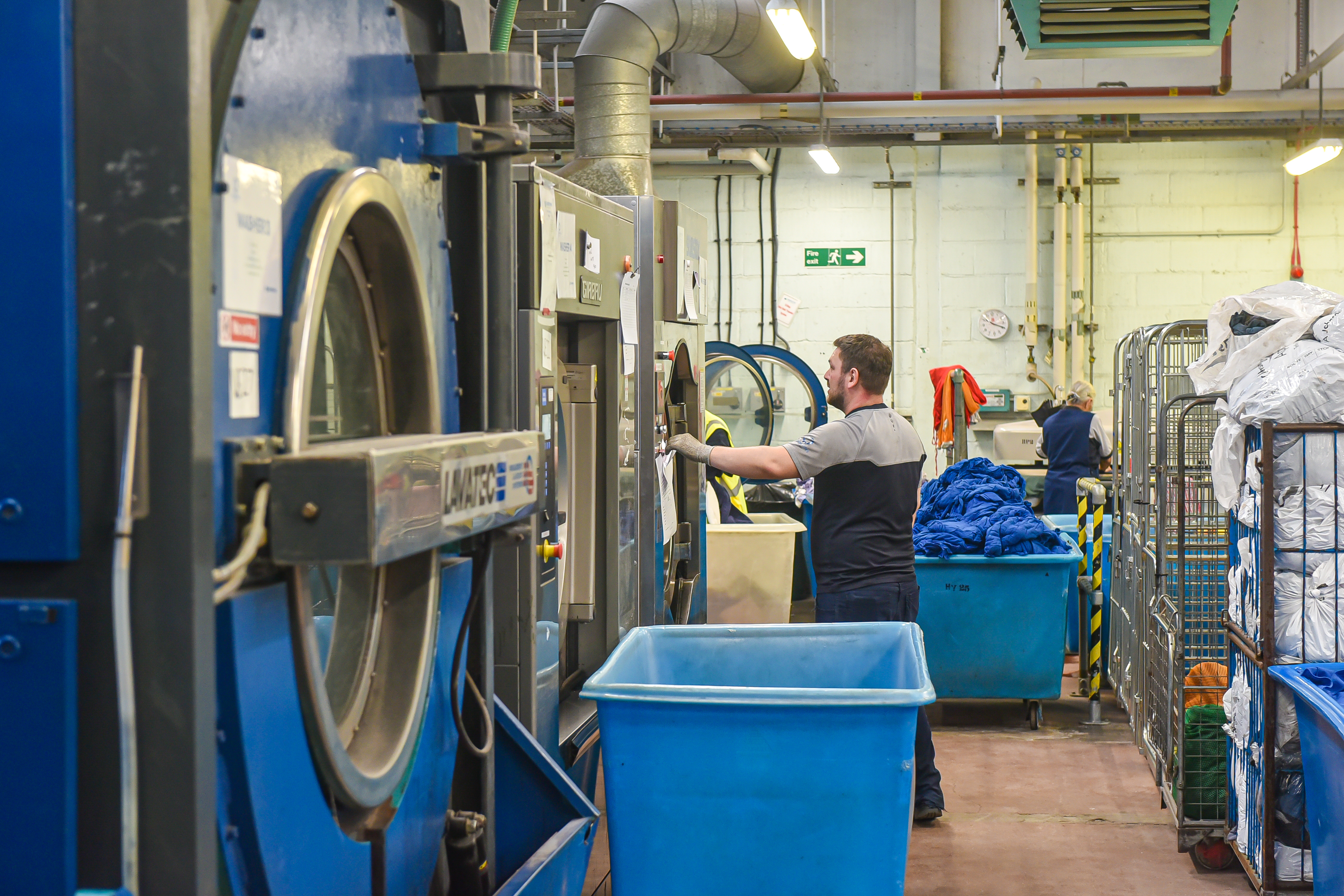
Johnsons Workwear's industrial-scale laundering processes are designed specifically for protective clothing. High-temperature washes and specialised detergents clean deeply without damaging the technical properties that make PPE effective. Every laundering cycle serves as both a cleaning event and an inspection opportunity, catching issues before they become compliance failures.
This is a fundamental advantage of a managed rental approach. Laundering, inspection, repair, and record-keeping all happen as part of the same service, not as separate tasks managed by different teams using different systems.
In conclusion: Why replacing manual PPE tracking strengthens your business
Manual PPE rental tracking was never designed for the complexity of modern UK compliance requirements. Spreadsheets and paper logs cannot enforce inspection schedules, link garment records across departments, or produce audit-ready documentation on demand.
Compliant workwear audit trails give your operations, procurement, and health and safety teams a single, verifiable record for every garment in your PPE inventory. They reduce administrative burden, strengthen traceability, and give you the evidence you need to demonstrate compliance with confidence.
For UK businesses ready to move beyond manual tracking, a managed workwear rental and laundering service from Johnsons Workwear builds that audit trail into the service itself, so your teams can focus on the job rather than the paperwork.

FAQs about why manual PPE rental tracking fails in 2026
Why do spreadsheets fail for PPE tracking?
Spreadsheets rely on manual data entry, which introduces errors and version conflicts. They cannot send inspection alerts, link garment records automatically, or produce audit-ready reports. As your PPE inventory grows, these limitations create compliance gaps that are difficult to close.
What UK regulations require PPE audit trails?
The Personal Protective Equipment at Work Regulations 1992 (amended 2022) and the Health and Safety at Work Act 1974 require employers to maintain, assess, and document PPE. While neither regulation specifies the format, a structured audit trail is the most reliable way to demonstrate compliance during inspections.
How does Johnsons Workwear track PPE compliance?
Johnsons Workwear tracks every garment through its managed rental service, logging inspections, laundering cycles, repairs, and replacements as part of the service. This audit-driven approach means compliance records are generated automatically, not manually maintained by your team.
What should a PPE audit trail include?
A PPE audit trail should include garment identity, wearer assignment, inspection results, laundering records, repair history, and end-of-life records. Each entry should be timestamped and linked to the specific garment for full traceability.
Can a managed rental service replace internal PPE tracking?
Yes. A managed rental service like Johnsons Workwear's handles garment supply, collection, laundering, inspection, repair, and replacement as a single integrated service. Audit trail records are built into the process, removing the need for your teams to maintain separate tracking systems.
How does professional laundering preserve PPE properties?
Professional industrial laundering uses controlled temperatures and specialised detergents to clean garments without degrading protective properties such as flame resistance and reflectivity. Johnsons Workwear's EN 14065-certified processes ensure every garment returns to service in a compliant state.




.png)

.png)
.jpeg)